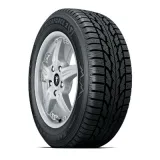
Tests – · none yet Owners 53 · 28 reviews
Head-to-head
Updated
Firestone Winterforce 2 vs Continental VikingContact 6 — Compared
Relative Score (0–100): 60% professional tests, 40% owner reviews.
VikingContact 6 is ahead, 64–58
Add your size for an exact match
/R
Both Amazon links then search this exact size.
TireWheelGuide may earn a commission from purchases made through these links.
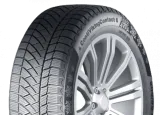
Tests – · none yet Owners 62 · 7 reviews
Category by category
Relative Score per category, 0–100. Open “Why this score” for the tests and owner ratings behind it.
-
49
Dry
VikingContact 6 +1261Why this score
Source Winterforce 2 VikingContact 6 Reviews found online 38 57 -
62
Wet
VikingContact 6 +466Why this score
Source Winterforce 2 VikingContact 6 Reviews found online 60 64 -
74
Snow
Winterforce 2 +1064Why this score
Source Winterforce 2 VikingContact 6 Reviews found online 76 60 -
58
Comfort
VikingContact 6 +664Why this score
Source Winterforce 2 VikingContact 6 Reviews found online 47 59 -
58
Noise
No comparison–Why this score
Source Winterforce 2 VikingContact 6 Reviews found online 46 – -
59
Treadwear
VikingContact 6 +766Why this score
Source Winterforce 2 VikingContact 6 Reviews found online 55 66 -
47
Handling
VikingContact 6 +1360Why this score
Source Winterforce 2 VikingContact 6 Reviews found online 47 60
Scores at a glance
| Category | Firestone Winterforce 2 | Continental VikingContact 6 |
|---|---|---|
| Relative Score | 58 | 64 |
| Dry | 49 | 61 |
| Wet | 62 | 66 |
| Snow | 74 | 64 |
| Comfort | 58 | 64 |
| Noise | 58 | – |
| Treadwear | 59 | 66 |
| Handling | 47 | 60 |
Higher is better. The Relative Score follows your weights below; category scores do not change.
Weight the categories that matter to you
Wet grip and treadwear start at “Important” — the two things buyers rank highest. Move the sliders and the scores update instantly.
Important
NoneLessNeutralMoreMost
Important
NoneLessNeutralMoreMost
Neutral
NoneLessNeutralMoreMost
Less important
NoneLessNeutralMoreMost
Less important
NoneLessNeutralMoreMost
Neither tire has a score here yet, so this weight changes nothing.
Important
NoneLessNeutralMoreMost
Neutral
NoneLessNeutralMoreMost
Recomputed
Headline score
58
/ 100
Winterforce 2
64
/ 100
VikingContact 6
Only categories both tires have data for count toward the headline score.
Pros, cons & observations
Themes extracted from owner reviews found online — not the opinion of TireWheelGuide.
Tire A Winterforce 2
Pros
- Exceptional traction and capability in deep snow
- Highly competitive price point
- Reliable performance for daily winter commuting
Cons
- Increased road noise compared to all-season tires
- Noticeable 'mushy' or soft handling feedback on dry pavement
- Limited performance on ice without studs
Tire B VikingContact 6
Pros
- Exceptional grip and traction in deep snow and mountain conditions
- Impressive durability and tread longevity, even when used out of season
- Acceptable road noise levels
Cons
- Significant loss of winter grip on snow and ice as the tread wears down
- Squeaks on dry, warm tarmac when driven in warmer conditions
- Lacks road feeling and sharp handling responsiveness
Specs side by side
| Attribute | A · Firestone Winterforce 2 | B · Continental VikingContact 6 |
|---|---|---|
| Category | Winter Premium Touring tires | Winter |
| Vehicle type | Passenger Car / Crossover | Passenger Car / Crossover |
| Sizes available | 31 | — |
| Rim diameters | 14″ – 18″ | — |
| Tread depth | 12/32″ | — |
| Sidewall | Blackwall | — |
| Max pressure | 44 psi | — |
Which one should you actually buy?
58
/ 100
Firestone Winterforce 2
64
/ 100
Continental VikingContact 6
Winner: Continental VikingContact 6 — better handling, dry and treadwear. Pick the Firestone Winterforce 2 if snow matters most to you.
Pick tire B
You enjoy sharp, responsive handling
Continental VikingContact 6 scores 60 vs 47 on handling.
Pick tire B
You want the most grip on dry roads
Continental VikingContact 6 scores 61 vs 49 on dry.
Pick tire A
You drive through snowy winters
Firestone Winterforce 2 scores 74 vs 64 on snow.
Pick tire B
You want the longest tread life
Continental VikingContact 6 scores 66 vs 59 on treadwear.
Tire A · Firestone Winterforce 2
Tire B · Continental VikingContact 6
TireWheelGuide may earn a commission from purchases made through these links.
How do we compare tires?
Every category score blends two independent signals. 60% comes from professional tire tests (braking distances, lap times, noise measurements), each result compared with every other tire in the same test and newer tests counting more. 40% comes from owner reviews found online, adjusted for how generously each site rates. Both use one scale: the average tested tire gets 70, the best 100. When a tire has only one of the two, the missing half is estimated from the other and the score stays closer to average; with no road test and fewer than five owner reviews it gets no score yet.
Community buzz from Reddit and forums is shown for context only — it never changes the score.