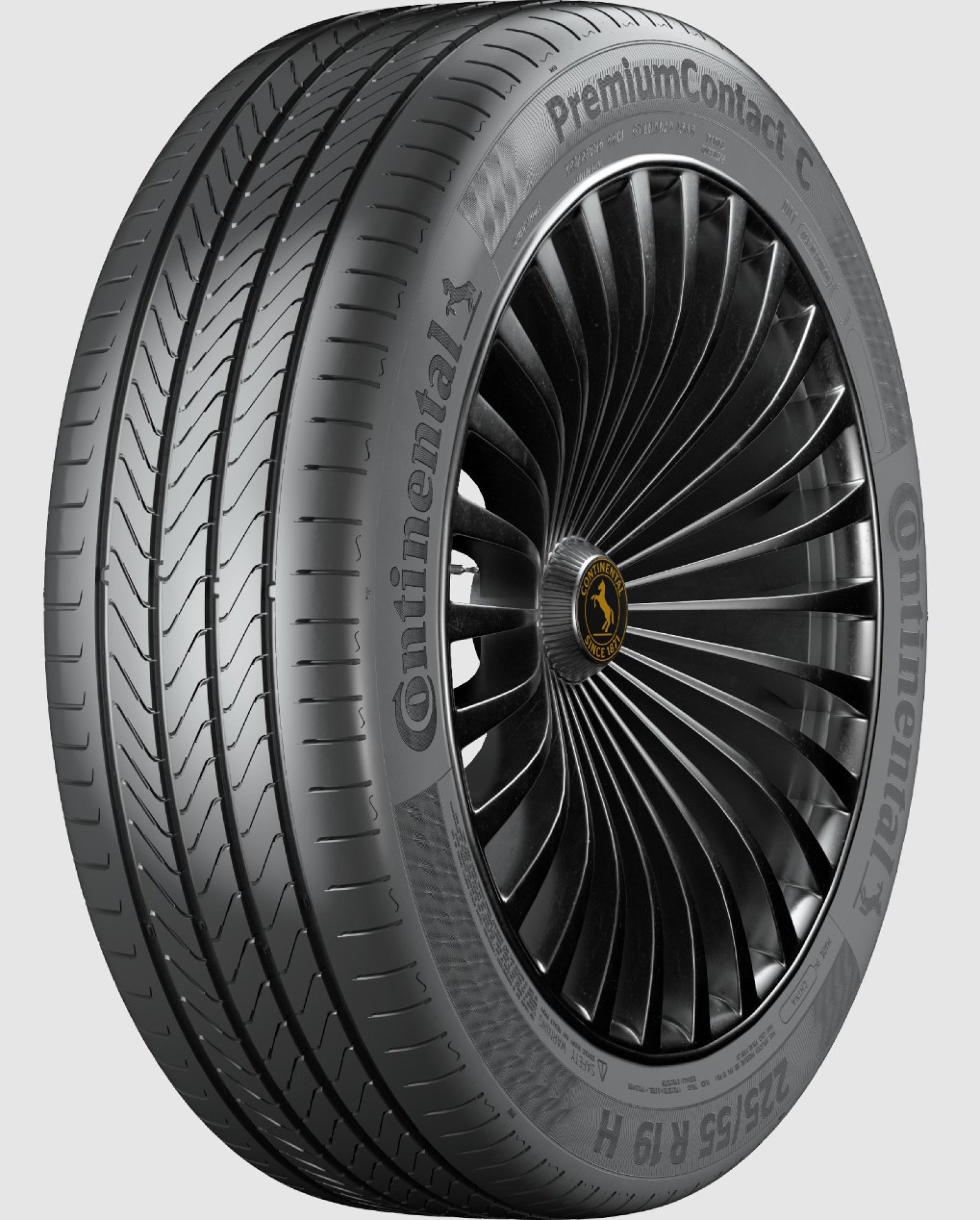
Continental PremiumContact C review
The Continental PremiumContact C receives predominantly negative feedback from users, particularly when fitted as original equipment on electric and plug-in hybrid vehicles. Owners frequently report significant traction issues on wet surfaces and concerns regarding the tire's ability to handle the instant torque characteristics of modern EVs.
Two scoring systems, side by side
Owner scores come from reviews on retailer and review sites; road-test scores come from instrumented tests. Where they disagree, it is usually a discipline owners rarely push to the limit.
By owner reviews
51%What owners like and dislike
Themes extracted from 8 owner reviews across retailers and review sites.
The Continental PremiumContact C receives predominantly negative feedback from users, particularly when fitted as original equipment on electric and plug-in hybrid vehicles. Owners frequently report significant traction issues on wet surfaces and concerns regarding the tire's ability to handle the instant torque characteristics of modern EVs.
Pros
- Acceptable comfort levels on dry road surfaces
- Adequate noise suppression under normal dry driving conditions
- Satisfactory handling performance for standard commuting
Cons
- Poor wet-weather traction and high risk of hydroplaning
- Inadequate grip for vehicles with high instant torque
- Rapid tread wear reported on electric vehicle platforms
- Audible road noise and squealing during cornering
Worth knowing
- Users operating rear-wheel drive electric vehicles like the MG4 report significant instability and frequent ABS activation.
- Owners of BYD Seal U DM-i models consistently cite the tire as unsuitable for the vehicle's weight and power delivery, specifically noting poor front-end traction.