Lassa Revolta review
The Lassa Revolta is perceived as a comfort-oriented tire that offers a balanced performance profile, though it is characterized by softer sidewalls that impact handling precision. While users appreciate its ability to absorb road imperfections, the trade-off includes increased body roll and some audible noise at specific speeds compared to other options.
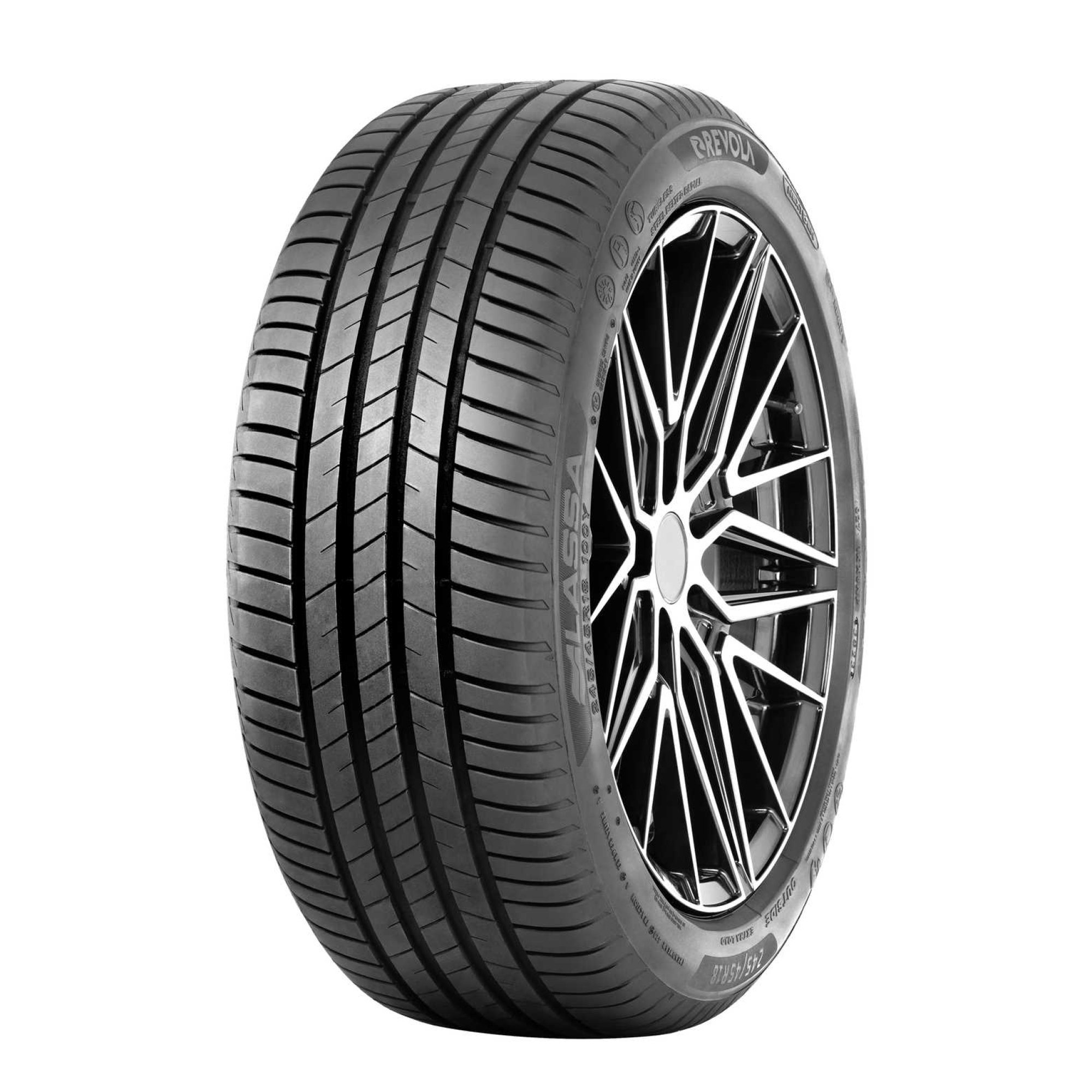
Two scoring systems, side by side
Owner scores come from reviews on retailer and review sites; road-test scores come from instrumented tests. Where they disagree, it is usually a discipline owners rarely push to the limit.
By owner reviews
81%What owners like and dislike
Themes extracted from 4 owner reviews across retailers and review sites.
The Lassa Revolta is perceived as a comfort-oriented tire that offers a balanced performance profile, though it is characterized by softer sidewalls that impact handling precision. While users appreciate its ability to absorb road imperfections, the trade-off includes increased body roll and some audible noise at specific speeds compared to other options.
Pros
- Superior ride comfort and bump absorption
- Effective dry road cornering performance
- Reliable wet weather handling and hydroplaning resistance
- High overall brand value and satisfaction
Cons
- Soft sidewalls leading to exaggerated body roll
- Slower steering response compared to stock tires
- Audible whirring noise at specific speed ranges (49-51 kph)
- Lower treadwear rating compared to some eco-focused alternatives
Worth knowing
- EV owners noted a significant improvement in ride comfort over stock eco-tires, despite a slight reduction in steering sharpness.
- Users transitioning from all-weather tires to the Revolta reported improved dry cornering, though some experienced reduced straight-line traction under heavy acceleration.