Toyo Proxes 4 review
The Toyo Proxes 4 is widely regarded as a budget-friendly, high-performance all-season tire that excels in dry conditions, offering impressive grip and a quiet, comfortable ride. However, user consensus is sharply divided regarding its wet-weather performance, with many drivers reporting a significant lack of confidence and traction in rain, while others find it adequate for daily driving.
Two scoring systems, side by side
Owner scores come from reviews on retailer and review sites; road-test scores come from instrumented tests. Where they disagree, it is usually a discipline owners rarely push to the limit.
By owner reviews
75.9%What owners like and dislike
Themes extracted from 75 owner reviews across retailers and review sites.
The Toyo Proxes 4 is widely regarded as a budget-friendly, high-performance all-season tire that excels in dry conditions, offering impressive grip and a quiet, comfortable ride. However, user consensus is sharply divided regarding its wet-weather performance, with many drivers reporting a significant lack of confidence and traction in rain, while others find it adequate for daily driving.
Pros
- Excellent dry pavement grip and handling
- Low road noise and high ride comfort
- Strong value proposition for the price point
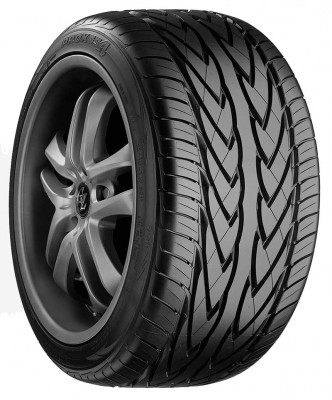
- Attractive tread pattern design
- Generally long-lasting tread life for a performance tire
Cons
- Inconsistent and often poor wet-weather traction
- Soft sidewalls leading to a 'squirmy' or imprecise feel during aggressive cornering
- Prone to uneven wear or cupping in some applications
- Reported balancing issues and vibration at highway speeds
- Lack of steering feedback compared to premium competitors
Worth knowing
- Users with high-torque or rear-wheel-drive vehicles frequently reported difficulty putting power down, particularly in wet conditions.
- Drivers of smaller, lighter vehicles noted that the soft sidewalls can lead to a 'soggy' or unstable feeling during high-speed maneuvers.
- Some owners of larger wheels (20-inch) reported difficulty maintaining consistent tire pressure and increased susceptibility to vibration.