Vredestein Ultrac plus review
The Vredestein Ultrac+ is generally regarded as a competent, comfort-oriented tire that offers a strong balance of wet-weather performance and dry-road handling. While most users praise its quiet operation and precise steering feedback, some owners report inconsistent results regarding fuel economy and noise levels depending on road surface and vehicle insulation.
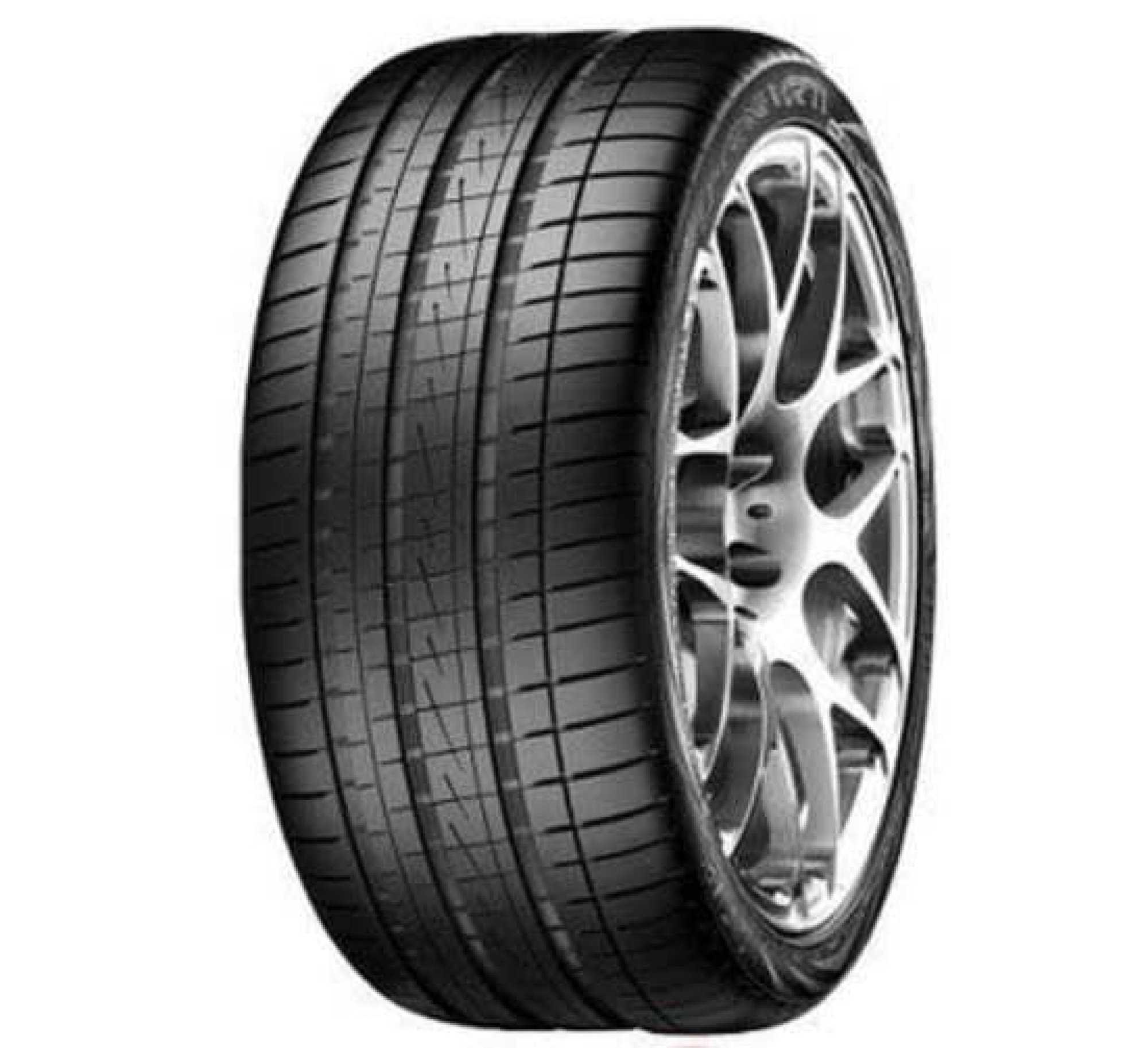
Two scoring systems, side by side
Owner scores come from reviews on retailer and review sites; road-test scores come from instrumented tests. Where they disagree, it is usually a discipline owners rarely push to the limit.
By owner reviews
79%By road tests
77.8%What owners like and dislike
Themes extracted from 6 owner reviews across retailers and review sites.
The Vredestein Ultrac+ is generally regarded as a competent, comfort-oriented tire that offers a strong balance of wet-weather performance and dry-road handling. While most users praise its quiet operation and precise steering feedback, some owners report inconsistent results regarding fuel economy and noise levels depending on road surface and vehicle insulation.
Pros
- Excellent wet-weather stability and grip at highway speeds
- High levels of ride comfort and noise suppression on most surfaces
- Sharp, precise steering response
- Strong value proposition compared to premium competitors
Cons
- Potential for reduced fuel economy compared to other performance tires
- Noise levels can increase significantly at higher highway speeds (130 km/h)
- Perceived lack of initial tread depth compared to some rivals
- Visual appearance can look slightly under-inflated even at correct pressures
Worth knowing
- Users with heavier vehicles, such as PHEVs, report satisfaction with the XL (Extra Load) variants for daily driving comfort.
- Drivers of smaller, lighter vehicles (e.g., VW Polo) noted the need for slightly higher tire pressures to achieve a satisfactory aesthetic and handling profile.
4 published test appearances
Placement within each field. Open a test for the discipline-by-discipline result.
The BEST Summer tires for 2026 Tested and Rated · 225/45 R17
10th of 12
| Discipline | Placement | Field position |
|---|---|---|
| Wet Braking | 10th of 12 | |
| Wet Handling | 8th of 12 | |
| Dry Braking | 11th of 12 | |
| Dry Handling | 7th of 12 | |
| Rolling Resistance | 4th of 12 | |
| Straight Aqua | 4th of 12 | |
| Curved Aquaplaning | 4th of 12 | |
| Subj. Comfort | 9th of 12 | |
| Noise | 8th of 12 |
2026 Motor Summer tire Test · 225/45 R17
9th of 9
| Discipline | Placement | Field position |
|---|---|---|
| Wet Braking | 9th of 9 | |
| Wet Handling | 7th of 9 | |
| Wet Circle | 6th of 9 | |
| Dry Braking | 9th of 9 | |
| Dry Handling | 8th of 9 | |
| Rolling Resistance | 4th of 9 | |
| Straight Aqua | 4th of 9 | |
| Curved Aquaplaning | 3rd of 9 | |
| Subj. Dry Handling | 9th of 9 | |
| Subj. Comfort | 7th of 9 | |
| Noise | 5th of 9 |
2026 Summer ECO tire Test · 195/55 R 16
2nd of 8
| Discipline | Placement | Field position |
|---|---|---|
| Wet Braking | 1st of 8 | |
| Wet Handling | 3rd of 8 | |
| Wet Circle | 2nd of 8 | |
| Dry Braking | 4th of 8 | |
| Dry Handling | 8th of 8 | |
| Rolling Resistance | 7th of 8 | |
| Straight Aqua | 3rd of 8 | |
| Curved Aquaplaning | 5th of 8 | |
| Noise | 4th of 8 | |
| Energy Consumption | 6th of 8 |
2026 ADAC Summer tire Test · 225/50R17
12th of 16
| Discipline | Placement | Field position |
|---|---|---|
| Wet Braking | 11th of 16 | |
| Dry Braking | 8th of 16 | |
| Straight Aqua | 3rd of 16 | |
| Wear | 14th of 16 | |
| Fuel Consumption | 9th of 16 | |
| Abrasion | 14th of 16 | |
| Wet Braking - Concrete | 10th of 16 |