Skip to content
Head-to-head Updated September 2026

Kumho Solus KH17 vs Michelin Energy Saver — Compared (September 2026)

Our Relative Score blends 60% objective test data with 40% owner-review signal — so any two tires can be compared even if they were never tested on the same day.

Tire A Kumho

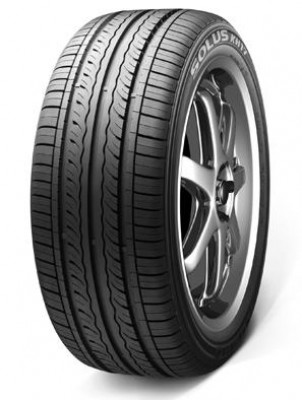
Kumho Solus KH17

Summer Touring tires

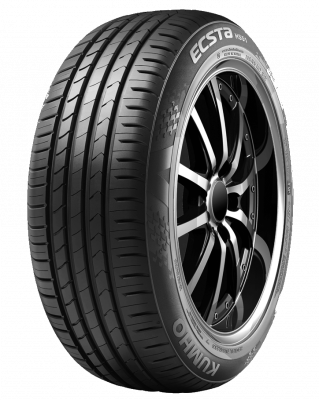
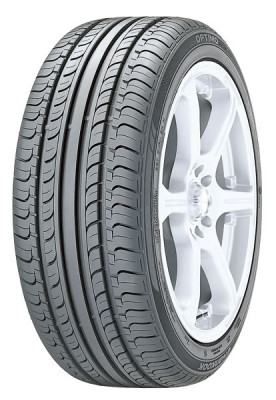
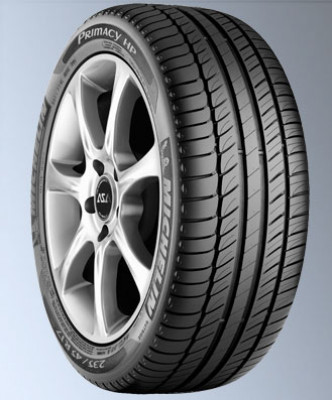
Kumho Solus KH17 tread pattern
Objective (60%)
–/100
No test data yet
User signal (40%)
70/100
56 owner reviews
Dry
76
Wet
70
Snow
–
Comfort
70
Noise
–
Treadwear
67
Handling
69

Prices change daily — check the retailer for your size.
VS
Tire B Michelin

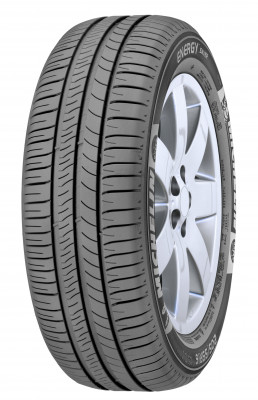
Michelin Energy Saver

Summer Premium Touring tires

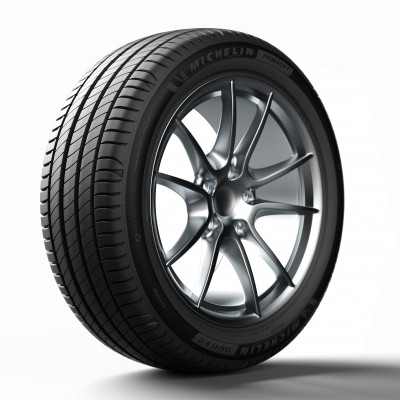
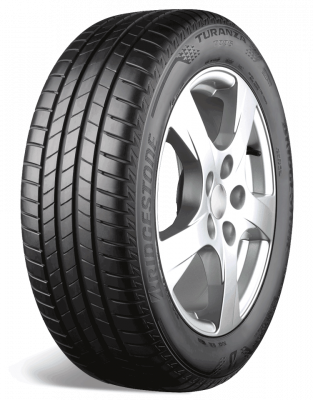
Michelin Energy Saver tread pattern
Objective (60%)
70/100
1 professional test
User signal (40%)
76/100
137 owner reviews
Dry
81
Wet
76
Snow
52
Comfort
80
Noise
37
Treadwear
85
Handling
71

Prices change daily — check the retailer for your size.

VerdictWinner: Michelin Energy Saver — better treadwear, comfort and wet. It leads or ties in every category we score.
Read full

TireWheelGuide may earn a commission from purchases made via links on this page.

Category breakdown

7 categories, side by side

Each bar is the Relative Score for that category. Expand a tile to see the test results and owner ratings behind it.

Dry

Weight: Neutral
Score (0–100) Energy Saver leads by 5
A — Kumho Solus KH17
76
B — Michelin Energy Saver
81
Why this score
SourceSolus KH17Energy Saver
Professional tests (TWG score) – 79
Tyre Reviews owners 76 83

Wet

Weight: Important
Score (0–100) Energy Saver leads by 6
A — Kumho Solus KH17
70
B — Michelin Energy Saver
76
Why this score
SourceSolus KH17Energy Saver
Professional tests (TWG score) – 79
Tyre Reviews owners 70 71

Snow

Weight: Neutral
Score (0–100)
A — Kumho Solus KH17
–
B — Michelin Energy Saver
52

Comfort

Weight: Neutral
Score (0–100) Energy Saver leads by 10
A — Kumho Solus KH17
70
B — Michelin Energy Saver
80
Why this score
SourceSolus KH17Energy Saver
Tyre Reviews owners 70 80

Noise

Weight: Neutral
Score (0–100)
A — Kumho Solus KH17
–
B — Michelin Energy Saver
37
Why this score
SourceSolus KH17Energy Saver
Professional tests (TWG score) – 37

Treadwear

Weight: Important
Score (0–100) Energy Saver leads by 18
A — Kumho Solus KH17
67
B — Michelin Energy Saver
85
Why this score
SourceSolus KH17Energy Saver
Tyre Reviews owners 67 85

Handling

Weight: Neutral
Score (0–100) Energy Saver leads by 2
A — Kumho Solus KH17
69
B — Michelin Energy Saver
71
Why this score
SourceSolus KH17Energy Saver
Tyre Reviews owners 69 71

Scores at a glance

Kumho Solus KH17 vs Michelin Energy Saver: scores by category (0–100)
CategoryKumho Solus KH17Michelin Energy Saver
Relative Score 70 79
Dry 76 81
Wet 70 76
Snow – 52
Comfort 70 80
Noise – 37
Treadwear 67 85
Handling 69 71

Higher is better. The Relative Score follows your weights below; category scores do not change.

Personalize

Weight the categories that matter to you

Wet grip and treadwear start at “Important” — the two things buyers rank highest. Move the sliders and the scores update instantly.

Neutral
NoneLessNeutralMoreMost
Important
NoneLessNeutralMoreMost
Neutral
NoneLessNeutralMoreMost
Neutral
NoneLessNeutralMoreMost
Neutral
NoneLessNeutralMoreMost
Important
NoneLessNeutralMoreMost
Neutral
NoneLessNeutralMoreMost
Recomputed
Headline score

Tire A

Tire B

Only categories both tires have data for count toward the headline score.

From owners

Pros, cons & observations

Themes extracted from owner reviews across retailers and review sites — not the opinion of TireWheelGuide.

Tire A Kumho Solus KH17

The Kumho Solus KH17 is widely regarded as a budget-friendly, high-value tire that performs reliably for daily commuting and highway driving. While many users praise its dry grip and cost-effectiveness, consensus is polarized by inconsistent tread wear and reports of premature degradation, particularly when fitted as original equipment on specific compact vehicles.

Pros

  • Excellent value for money compared to premium brands
  • Strong dry weather traction and road feedback
  • Generally quiet and comfortable ride quality
  • Predictable handling characteristics for normal driving

Cons

  • Inconsistent tread life with reports of premature wear
  • Mixed performance in wet conditions
  • Susceptibility to sidewall bubbles and structural issues
  • Increased road noise as the tread wears down

Observations

  • Owners of Hyundai i10 and i20 models frequently report significantly lower-than-average tread life and rapid wear compared to users of other vehicle makes.
  • Drivers of larger or heavier vehicles often report better satisfaction with longevity and stability than those using the tire on smaller city cars.
  • Some users noted that the tire's noise profile changes significantly, becoming more audible at city speeds (40-80 km/h) while remaining quiet at highway velocities.
Tire B Michelin Energy Saver

The Michelin Energy Saver is widely regarded as a class-leading tire for longevity and fuel efficiency, often exceeding 40,000–60,000 miles for many users. While it excels in dry conditions and provides a comfortable, quiet ride, it receives consistent criticism for a decline in wet-weather performance as the tread wears down and a tendency for the rubber compound to develop sidewall cracking over time.

Pros

  • Exceptional tread life and durability
  • Noticeable improvements in fuel economy
  • Low road noise and high ride comfort
  • Reliable dry-weather handling and stability

Cons

  • Significant loss of wet-weather grip as the tire ages
  • Susceptibility to sidewall cracking and dry rot after 3-4 years
  • Hard compound can feel 'skating' or insecure in cold or wet conditions
  • Lack of road feedback for spirited driving

Observations

  • Users with heavier vehicles or those driving on rough, pothole-prone roads noted that the sidewalls can be fragile and prone to damage.
  • Drivers of small hatchbacks (e.g., VW Polo, Ford Fiesta) frequently reported that the tire significantly improved steering lightness and overall handling compared to budget alternatives.
  • Owners of high-mileage commuters and taxis consistently praise the tire for its cost-per-mile value, despite the performance drop-off in later years.
Specifications

Specs side by side

Attribute A · Kumho Solus KH17 B · Michelin Energy Saver
CategorySummer Touring tiresSummer Premium Touring tires
Vehicle typePassenger Car / CrossoverPassenger Car / Crossover
Final verdict

Which one should you actually buy?

Kumho

Michelin

Winner: Michelin Energy Saver — better treadwear, comfort and wet. It leads or ties in every category we score.

Pick tire B You want the longest tread life

Michelin Energy Saver scores 85 vs 67 on treadwear.

Pick tire B You want the most comfortable ride

Michelin Energy Saver scores 80 vs 70 on comfort.

Pick tire B Your priority is wet-weather safety

Michelin Energy Saver scores 76 vs 70 on wet.

Pick tire B You want the most grip on dry roads

Michelin Energy Saver scores 81 vs 76 on dry.

Tire A · Kumho Solus KH17
Tire B · Michelin Energy Saver

How do we compare tires?

Every category score blends two independent signals. 60% comes from professional tire tests (braking distances, lap times, noise measurements) normalized against the best tire in each test and weighted toward recent tests. 40% comes from thousands of owner reviews collected from retailers and review sites. When a tire has only one of the two, we use what exists and say so.

Community buzz from Reddit and forums is shown for context only — it never changes the score.