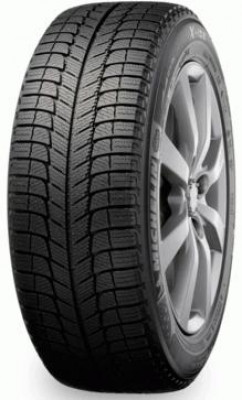
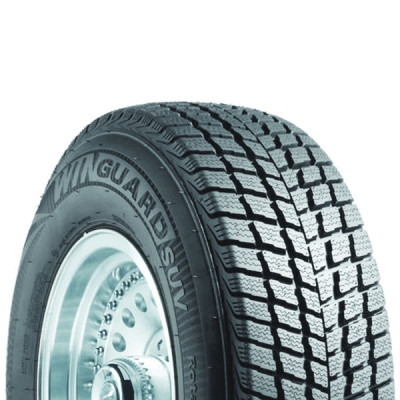
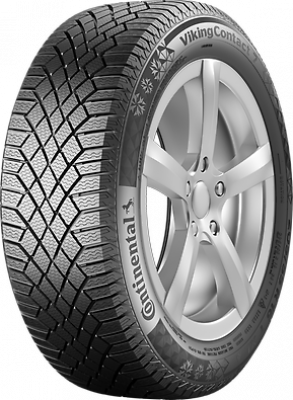
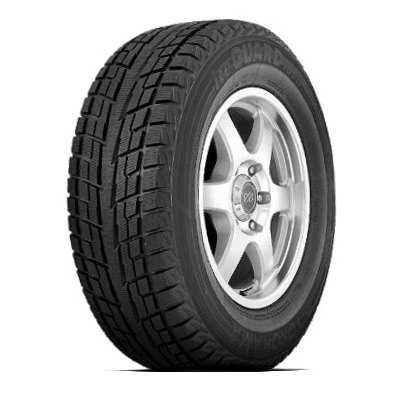
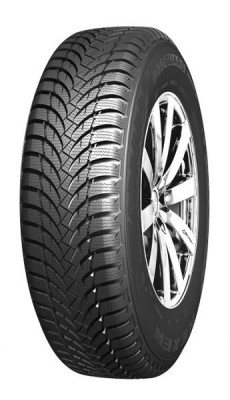
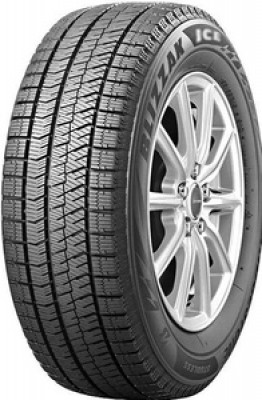
Michelin X-Ice Xi3 vs Nexen WinGuard — Compared (May 2026)
Our Relative Score blends 60% objective test data with 40% owner-review signal — so any two tires can be compared even if they were never tested on the same day.
TireWheelGuide may earn a commission from purchases made via links on this page.
Category breakdown
6 categories, side by side
Each bar is the Relative Score for that category. Expand a tile to see the test results and owner ratings behind it.
Dry
Weight: Neutral
Score (0–100)X-Ice Xi3 leads by 13
A — Michelin X-Ice Xi3
80
B — Nexen WinGuard
67
Why this score
Source
X-Ice Xi3
WinGuard
Tyre Reviews owners
79
67
Wet
Weight: Important
Score (0–100)X-Ice Xi3 leads by 9
A — Michelin X-Ice Xi3
74
B — Nexen WinGuard
65
Why this score
Source
X-Ice Xi3
WinGuard
Tyre Reviews owners
73
65
Snow
Weight: Neutral
Score (0–100)WinGuard leads by 19
A — Michelin X-Ice Xi3
81
B — Nexen WinGuard
100
Why this score
Source
X-Ice Xi3
WinGuard
Tyre Reviews owners
80
100
Comfort
Weight: Neutral
Score (0–100)X-Ice Xi3 leads by 8
A — Michelin X-Ice Xi3
80
B — Nexen WinGuard
72
Why this score
Source
X-Ice Xi3
WinGuard
Tyre Reviews owners
79
72
Treadwear
Weight: Important
Score (0–100)
A — Michelin X-Ice Xi3
80
B — Nexen WinGuard
80
Why this score
Source
X-Ice Xi3
WinGuard
Tyre Reviews owners
79
80
Handling
Weight: Neutral
Score (0–100)X-Ice Xi3 leads by 1
A — Michelin X-Ice Xi3
61
B — Nexen WinGuard
60
Why this score
Source
X-Ice Xi3
WinGuard
Tyre Reviews owners
61
60
Scores at a glance
Michelin X-Ice Xi3 vs Nexen WinGuard: scores by category (0–100)
Category
Michelin X-Ice Xi3
Nexen WinGuard
Relative Score
76
74
Dry
80
67
Wet
74
65
Snow
81
100
Comfort
80
72
Treadwear
80
80
Handling
61
60
Higher is better. The Relative Score follows your weights below; category scores do not change.
Personalize
Weight the categories that matter to you
Wet grip and treadwear start at “Important” — the two things buyers rank highest. Move the sliders and the scores update instantly.
Neutral
NoneLessNeutralMoreMost
Important
NoneLessNeutralMoreMost
Neutral
NoneLessNeutralMoreMost
Neutral
NoneLessNeutralMoreMost
Important
NoneLessNeutralMoreMost
Neutral
NoneLessNeutralMoreMost
Recomputed
Headline score
76
/ 100
Tire A
74
/ 100
Tire B
From owners
Pros, cons & observations
Themes extracted from owner reviews across retailers and review sites — not the opinion of TireWheelGuide.
Tire AMichelin X-Ice Xi3
The Michelin X-Ice Xi3 is widely regarded as a durable, quiet, and comfortable winter tire that excels in dry, cold conditions and on hard-packed snow. While many users praise its exceptional tread life and stability, a segment of the user base reports inconsistent performance in deep snow or on wet ice, noting a lack of steering precision and a 'squirmy' feel on dry pavement.
Pros
Exceptional tread longevity and durability
Very low noise levels and high ride comfort
Strong performance on dry, cold pavement
Reliable traction on hard-packed snow and ice
Cons
Lack of steering precision and 'squirmy' handling feel
Inconsistent grip on wet ice or deep, slushy snow
Sluggish handling response in milder temperatures
Reduced cornering confidence compared to performance-oriented winter tires
Observations
Users driving heavier vehicles or those with aggressive driving styles noted a lack of directness and stability during cornering.
The tire is frequently praised for its longevity in high-mileage applications, such as taxi service, where it maintained performance over 20,000+ km.
Tire BNexen WinGuard
The Nexen WinGuard is generally regarded as a capable budget-friendly winter tire that provides a significant performance upgrade over summer tires in cold and snowy conditions. While most users report reliable traction and confidence-inspiring handling in winter environments, some reviewers note that its performance on ice and in warmer temperatures is limited compared to premium alternatives.
Pros
Strong traction and handling in snow-covered conditions
Noticeable improvement in grip over summer tires in cold weather
Confidence-inspiring braking performance on mountain passes
High value-for-money proposition
Cons
Mediocre performance on ice
Poor dry-weather handling when temperatures exceed 10°C
Occasional difficulty with uphill starts in deep snow
Observations
Users report that the tire performs best when temperatures remain consistently below 4°C.
Performance is noted to be highly effective for mountain driving and steep inclines, though traction can be inconsistent during initial acceleration from a standstill.
Specifications
Specs side by side
Attribute
A · Michelin X-Ice Xi3
B · Nexen WinGuard
Category
—
Winter Touring tires
Vehicle type
—
Passenger Car / Crossover
Final verdict
Which one should you actually buy?
76
/ 100
Michelin
74
/ 100
Nexen
Winner: Michelin X-Ice Xi3 — better dry, wet and comfort. Pick the Nexen WinGuard if snow matters most to you.
Every category score blends two independent signals. 60% comes from professional tire tests (braking distances, lap times, noise measurements) normalized against the best tire in each test and weighted toward recent tests. 40% comes from thousands of owner reviews collected from retailers and review sites. When a tire has only one of the two, we use what exists and say so.
Community buzz from Reddit and forums is shown for context only — it never changes the score.