Skip to content
Head-to-head Updated May 2026

Toyo Proxes 1 vs Yokohama C Drive — Compared (May 2026)

Our Relative Score blends 60% objective test data with 40% owner-review signal — so any two tires can be compared even if they were never tested on the same day.

Tire A Toyo

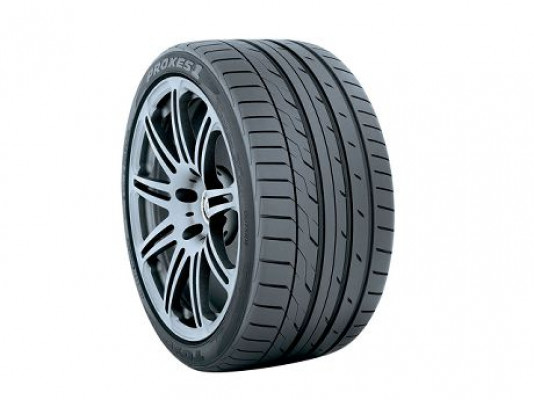
Toyo Proxes 1

Summer Ultra High Performance tires

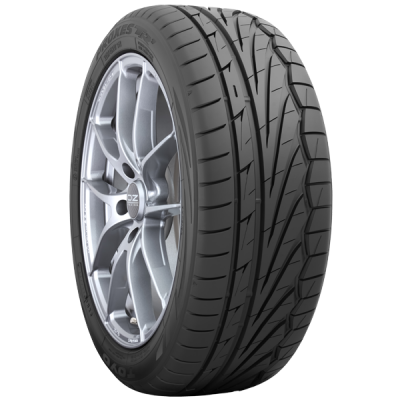
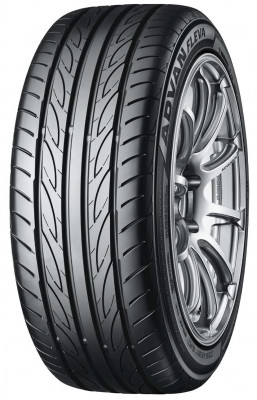
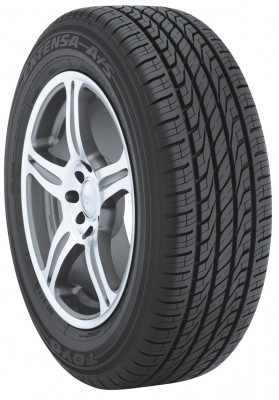
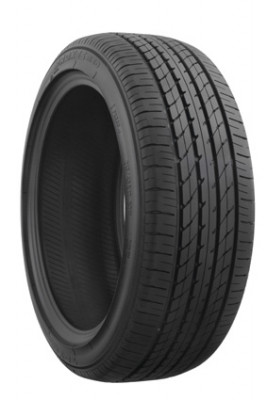
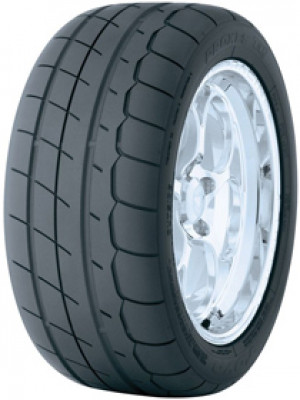
Toyo Proxes 1 tread pattern
Objective (60%)
/100
No test data yet
User signal (40%)
68/100
6 owner reviews
Dry
87
Wet
65
Comfort
62
Treadwear
65
Handling
63

Prices change daily — check the retailer for your size.
VS
Tire B Yokohama

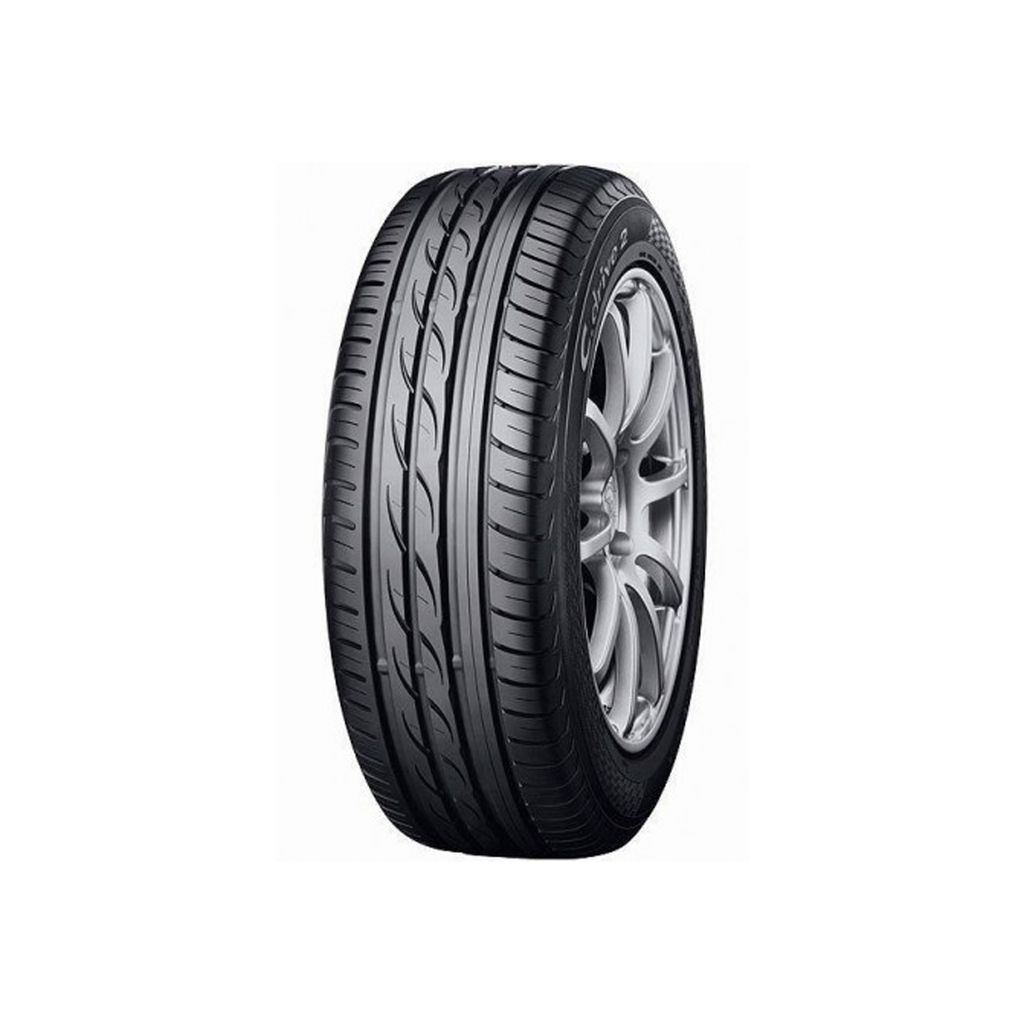
Yokohama C Drive

Summer Premium Touring tires

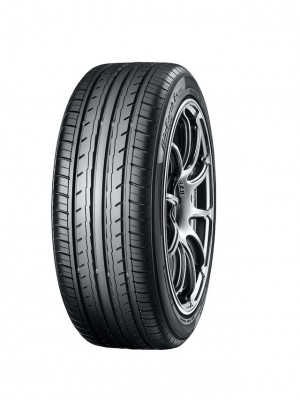
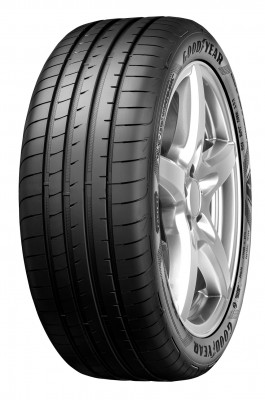
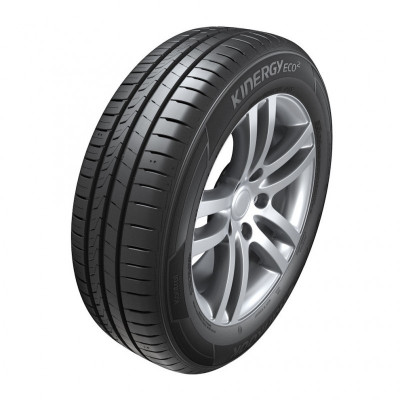
Yokohama C Drive tread pattern
Objective (60%)
/100
No test data yet
User signal (40%)
82/100
45 owner reviews
Dry
86
Wet
82
Comfort
86
Treadwear
77
Handling
77

Prices change daily — check the retailer for your size.

VerdictWinner: Yokohama C Drive — better comfort, wet and handling. It leads or ties in every category we score.
Read full

TireWheelGuide may earn a commission from purchases made via links on this page.

Category breakdown

5 categories, side by side

Each bar is the Relative Score for that category. Expand a tile to see the test results and owner ratings behind it.

Dry

Weight: Neutral
Score (0–100) Proxes 1 leads by 1
A — Toyo Proxes 1
87
B — Yokohama C Drive
86
Why this score
SourceProxes 1C Drive
Tyre Reviews owners 87 86

Wet

Weight: Important
Score (0–100) C Drive leads by 17
A — Toyo Proxes 1
65
B — Yokohama C Drive
82
Why this score
SourceProxes 1C Drive
Tyre Reviews owners 65 82

Comfort

Weight: Neutral
Score (0–100) C Drive leads by 24
A — Toyo Proxes 1
62
B — Yokohama C Drive
86
Why this score
SourceProxes 1C Drive
Tyre Reviews owners 62 86

Treadwear

Weight: Important
Score (0–100) C Drive leads by 12
A — Toyo Proxes 1
65
B — Yokohama C Drive
77
Why this score
SourceProxes 1C Drive
Tyre Reviews owners 65 77

Handling

Weight: Neutral
Score (0–100) C Drive leads by 14
A — Toyo Proxes 1
63
B — Yokohama C Drive
77
Why this score
SourceProxes 1C Drive
Tyre Reviews owners 63 77

Scores at a glance

Toyo Proxes 1 vs Yokohama C Drive: scores by category (0–100)
CategoryToyo Proxes 1Yokohama C Drive
Relative Score 68 81
Dry 87 86
Wet 65 82
Comfort 62 86
Treadwear 65 77
Handling 63 77

Higher is better. The Relative Score follows your weights below; category scores do not change.

Personalize

Weight the categories that matter to you

Wet grip and treadwear start at “Important” — the two things buyers rank highest. Move the sliders and the scores update instantly.

Neutral
NoneLessNeutralMoreMost
Important
NoneLessNeutralMoreMost
Neutral
NoneLessNeutralMoreMost
Important
NoneLessNeutralMoreMost
Neutral
NoneLessNeutralMoreMost
Recomputed
Headline score

Tire A

Tire B

From owners

Pros, cons & observations

Themes extracted from owner reviews across retailers and review sites — not the opinion of TireWheelGuide.

Tire A Toyo Proxes 1

The Toyo Proxes 1 presents a polarizing profile, offering high-performance dry and wet grip that often exceeds standard factory-fitted tires. However, this performance comes at the cost of inconsistent tread longevity and poor rolling resistance, making it a divisive choice for daily drivers concerned with long-term value.

Pros

  • Exceptional dry and wet weather grip
  • Improved steering feedback and handling characteristics
  • Competitive price point
  • Noticeable reduction in road noise compared to some OEM alternatives

Cons

  • Extremely rapid tread wear, particularly under high-torque conditions
  • Poor rolling resistance
  • Uneven tread wear patterns, specifically premature shoulder degradation
  • Short overall service life

Observations

  • Users with high-torque diesel vehicles reported significantly accelerated tread wear, with some experiencing as little as 7,500 miles of service.
  • The 205/50/17 size is noted for offering high value-for-money performance despite the longevity drawbacks.
Tire B Yokohama C Drive

The Yokohama C Drive is widely regarded as a versatile, comfort-oriented tire that delivers strong performance in both wet and dry conditions. While most users praise its predictable handling and longevity, there is a notable divide in experiences regarding tread life, likely influenced by driving style and vehicle weight.

Pros

  • Excellent wet weather traction and hydroplaning resistance
  • High levels of ride comfort and low road noise
  • Predictable, progressive handling characteristics
  • Strong value proposition compared to premium competitors

Cons

  • Inconsistent tread life reports ranging from premature wear to high mileage
  • Some users report increased noise and stiffness as the tire ages
  • Mixed feedback on dry grip performance under aggressive driving conditions

Observations

  • Users with smaller hatchbacks (e.g., Honda Jazz, Peugeot 106) frequently cite the tire as a superior, quieter alternative to harsh-riding OEM options.
  • Drivers of heavier or AWD vehicles (e.g., Subaru Forester) noted that opting for XL (Extra Load) variants provides a tauter, more responsive sidewall structure.
  • Performance-oriented drivers noted that while the tire is capable, it is fundamentally designed for comfort rather than dedicated track or high-speed sport use.
Specifications

Specs side by side

Attribute A · Toyo Proxes 1 B · Yokohama C Drive
CategorySummer Ultra High Performance tiresSummer Premium Touring tires
Vehicle typePassenger Car / CrossoverPassenger Car / Crossover
Final verdict

Which one should you actually buy?

Toyo

Yokohama

Winner: Yokohama C Drive — better comfort, wet and handling. It leads or ties in every category we score.

Pick tire B You want the most comfortable ride

Yokohama C Drive scores 86 vs 62 on comfort.

Pick tire B Your priority is wet-weather safety

Yokohama C Drive scores 82 vs 65 on wet.

Pick tire B You enjoy sharp, responsive handling

Yokohama C Drive scores 77 vs 63 on handling.

Pick tire B You want the longest tread life

Yokohama C Drive scores 77 vs 65 on treadwear.

Tire A · Toyo Proxes 1
Tire B · Yokohama C Drive

How do we compare tires?

Every category score blends two independent signals. 60% comes from professional tire tests (braking distances, lap times, noise measurements) normalized against the best tire in each test and weighted toward recent tests. 40% comes from thousands of owner reviews collected from retailers and review sites. When a tire has only one of the two, we use what exists and say so.

Community buzz from Reddit and forums is shown for context only — it never changes the score.