Skip to content
Head-to-head Updated May 2026

Toyo Proxes R30 vs Yokohama C Drive — Compared (May 2026)

Our Relative Score blends 60% objective test data with 40% owner-review signal — so any two tires can be compared even if they were never tested on the same day.

Tire A Toyo

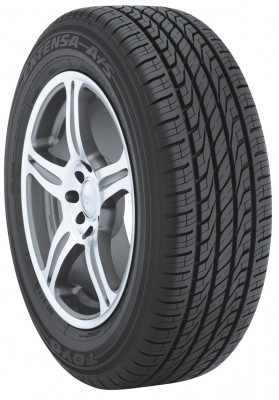
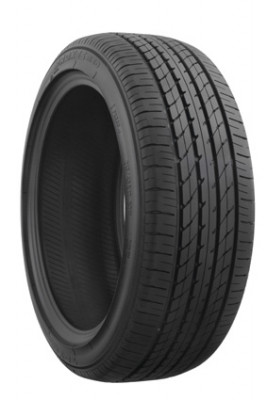
Toyo Proxes R30

Summer Premium Touring tires

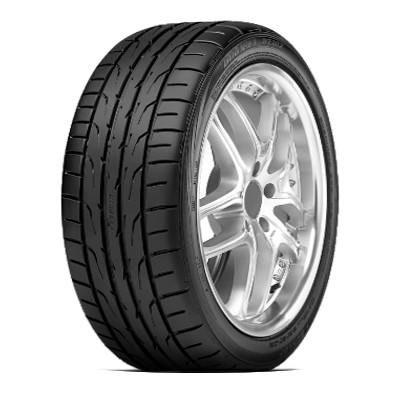
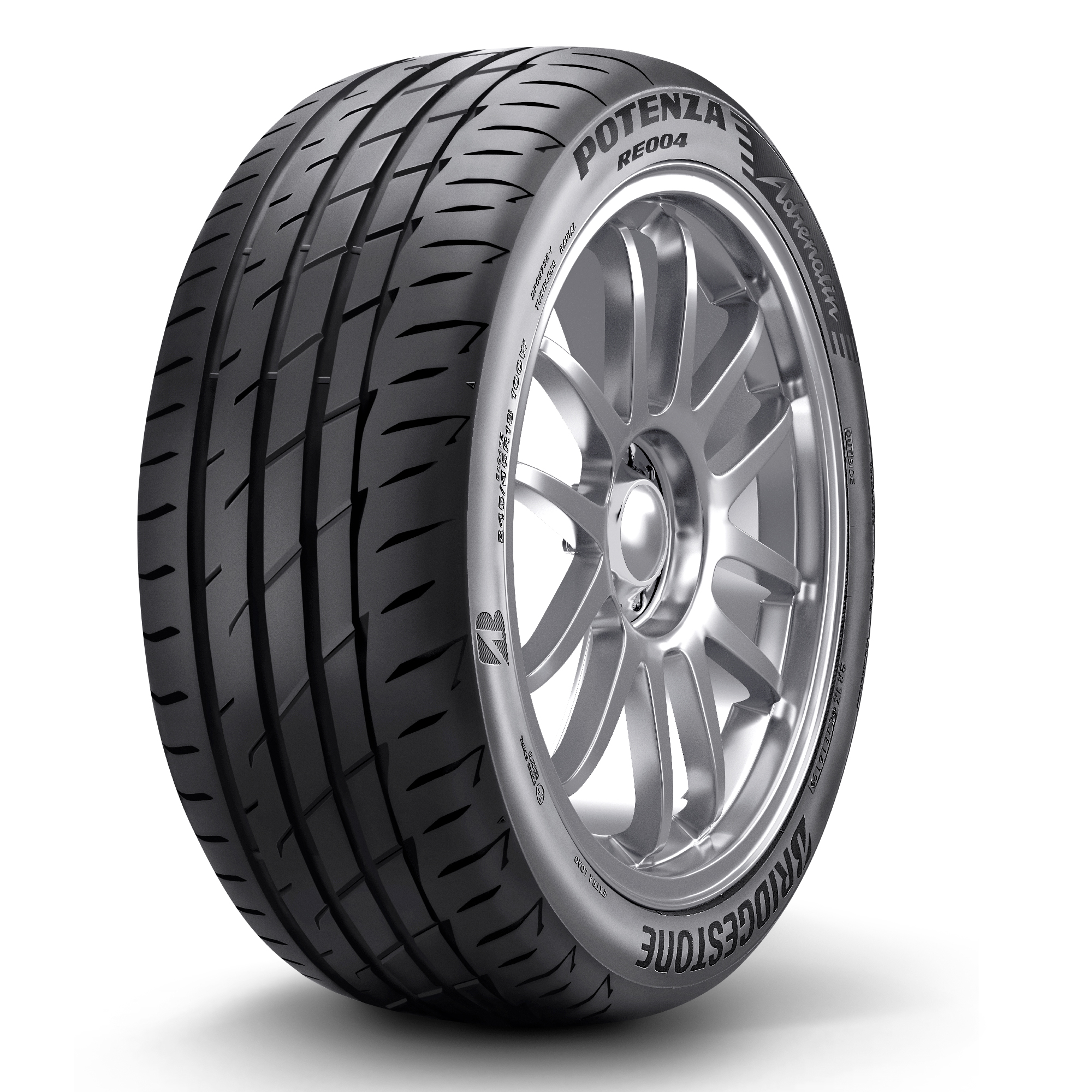
Toyo Proxes R30 tread pattern
Objective (60%)
–/100
No test data yet
User signal (40%)
78/100
3 owner reviews
Dry
83
Wet
70
Comfort
70
Treadwear
77
Handling
83

Prices change daily — check the retailer for your size.
VS
Tire B Yokohama

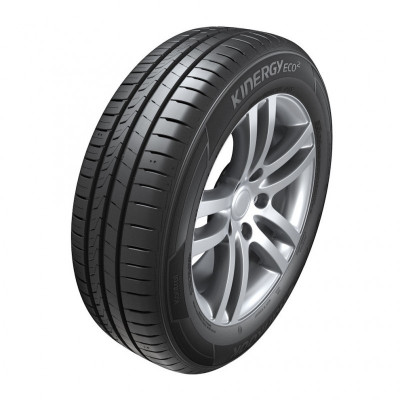
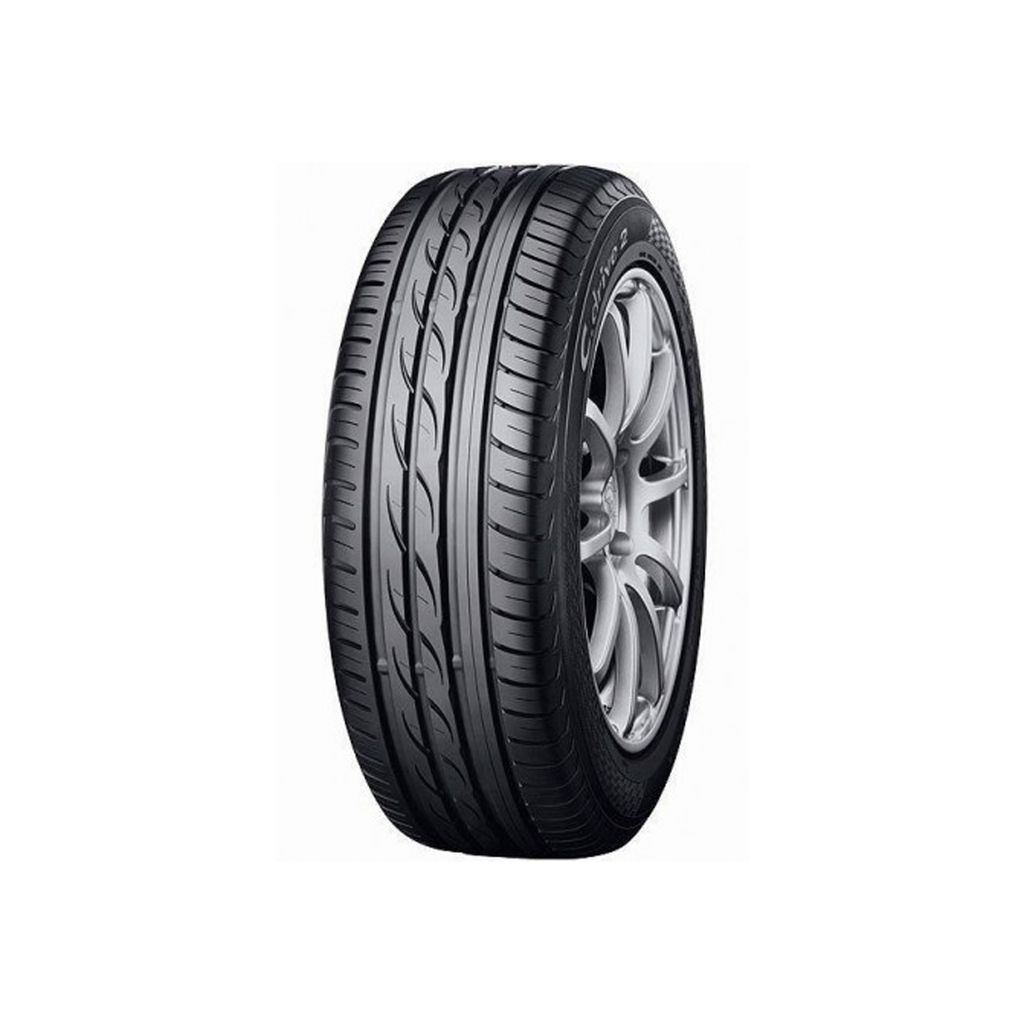
Yokohama C Drive

Summer Premium Touring tires

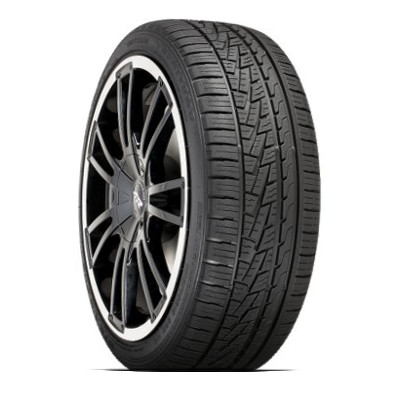
Yokohama C Drive tread pattern
Objective (60%)
–/100
No test data yet
User signal (40%)
82/100
45 owner reviews
Dry
86
Wet
82
Comfort
86
Treadwear
77
Handling
77

Prices change daily — check the retailer for your size.

VerdictWinner: Yokohama C Drive — better comfort, wet and dry. Pick the Toyo Proxes R30 if handling matters most to you.
Read full

TireWheelGuide may earn a commission from purchases made via links on this page.

Category breakdown

5 categories, side by side

Each bar is the Relative Score for that category. Expand a tile to see the test results and owner ratings behind it.

Dry

Weight: Neutral
Score (0–100) C Drive leads by 3
A — Toyo Proxes R30
83
B — Yokohama C Drive
86
Why this score
SourceProxes R30C Drive
Tyre Reviews owners 83 86

Wet

Weight: Important
Score (0–100) C Drive leads by 12
A — Toyo Proxes R30
70
B — Yokohama C Drive
82
Why this score
SourceProxes R30C Drive
Tyre Reviews owners 70 82

Comfort

Weight: Neutral
Score (0–100) C Drive leads by 16
A — Toyo Proxes R30
70
B — Yokohama C Drive
86
Why this score
SourceProxes R30C Drive
Tyre Reviews owners 70 86

Treadwear

Weight: Important
Score (0–100)
A — Toyo Proxes R30
77
B — Yokohama C Drive
77
Why this score
SourceProxes R30C Drive
Tyre Reviews owners 77 77

Handling

Weight: Neutral
Score (0–100) Proxes R30 leads by 6
A — Toyo Proxes R30
83
B — Yokohama C Drive
77
Why this score
SourceProxes R30C Drive
Tyre Reviews owners 83 77

Scores at a glance

Toyo Proxes R30 vs Yokohama C Drive: scores by category (0–100)
CategoryToyo Proxes R30Yokohama C Drive
Relative Score 76 81
Dry 83 86
Wet 70 82
Comfort 70 86
Treadwear 77 77
Handling 83 77

Higher is better. The Relative Score follows your weights below; category scores do not change.

Personalize

Weight the categories that matter to you

Wet grip and treadwear start at “Important” — the two things buyers rank highest. Move the sliders and the scores update instantly.

Neutral
NoneLessNeutralMoreMost
Important
NoneLessNeutralMoreMost
Neutral
NoneLessNeutralMoreMost
Important
NoneLessNeutralMoreMost
Neutral
NoneLessNeutralMoreMost
Recomputed
Headline score

Tire A

Tire B

From owners

Pros, cons & observations

Themes extracted from owner reviews across retailers and review sites — not the opinion of TireWheelGuide.

Tire A Toyo Proxes R30

The Toyo Proxes R30/R32 series is generally regarded as a durable, high-performance tire that offers a strong balance between handling and longevity. While most users are satisfied with the tire's lifespan and grip in standard road conditions, some report concerns regarding uneven tread wear and limited performance in winter weather.

Pros

  • Impressive tread life and overall durability
  • Reliable handling and grip in both wet and dry conditions
  • Consistent performance for spirited driving styles

Cons

  • Poor traction in snow and winter conditions
  • Reports of premature or uneven inner shoulder wear
  • Performance degradation as tread depth approaches the 3-4mm range

Observations

  • Drivers of high-torque diesel vehicles, such as the Mazda 3 Sport, report satisfactory durability even under aggressive driving conditions.
  • Users noted that front-axle tires tend to wear significantly faster than rear tires, necessitating more frequent rotation or replacement.
Tire B Yokohama C Drive

The Yokohama C Drive is widely regarded as a versatile, comfort-oriented tire that delivers strong performance in both wet and dry conditions. While most users praise its predictable handling and longevity, there is a notable divide in experiences regarding tread life, likely influenced by driving style and vehicle weight.

Pros

  • Excellent wet weather traction and hydroplaning resistance
  • High levels of ride comfort and low road noise
  • Predictable, progressive handling characteristics
  • Strong value proposition compared to premium competitors

Cons

  • Inconsistent tread life reports ranging from premature wear to high mileage
  • Some users report increased noise and stiffness as the tire ages
  • Mixed feedback on dry grip performance under aggressive driving conditions

Observations

  • Users with smaller hatchbacks (e.g., Honda Jazz, Peugeot 106) frequently cite the tire as a superior, quieter alternative to harsh-riding OEM options.
  • Drivers of heavier or AWD vehicles (e.g., Subaru Forester) noted that opting for XL (Extra Load) variants provides a tauter, more responsive sidewall structure.
  • Performance-oriented drivers noted that while the tire is capable, it is fundamentally designed for comfort rather than dedicated track or high-speed sport use.
Specifications

Specs side by side

Attribute A · Toyo Proxes R30 B · Yokohama C Drive
CategorySummer Premium Touring tiresSummer Premium Touring tires
Vehicle typePassenger Car / CrossoverPassenger Car / Crossover
Final verdict

Which one should you actually buy?

Toyo

Yokohama

Winner: Yokohama C Drive — better comfort, wet and dry. Pick the Toyo Proxes R30 if handling matters most to you.

Pick tire B You want the most comfortable ride

Yokohama C Drive scores 86 vs 70 on comfort.

Pick tire B Your priority is wet-weather safety

Yokohama C Drive scores 82 vs 70 on wet.

Pick tire A You enjoy sharp, responsive handling

Toyo Proxes R30 scores 83 vs 77 on handling.

Pick tire B You want the most grip on dry roads

Yokohama C Drive scores 86 vs 83 on dry.

Tire A · Toyo Proxes R30
Tire B · Yokohama C Drive

How do we compare tires?

Every category score blends two independent signals. 60% comes from professional tire tests (braking distances, lap times, noise measurements) normalized against the best tire in each test and weighted toward recent tests. 40% comes from thousands of owner reviews collected from retailers and review sites. When a tire has only one of the two, we use what exists and say so.

Community buzz from Reddit and forums is shown for context only — it never changes the score.