64
/ 100
Objective (60%)
62/100
1 professional test
User signal (40%)
77/100
8 owner reviews
Prices change daily — check the retailer for your size.
Our Relative Score blends 60% objective test data with 40% owner-review signal — so any two tires can be compared even if they were never tested on the same day.
Prices change daily — check the retailer for your size.
Prices change daily — check the retailer for your size.
TireWheelGuide may earn a commission from purchases made via links on this page.
Each bar is the Relative Score for that category. Expand a tile to see the test results and owner ratings behind it.
| Source | BluEarth RV02 | S306 |
|---|---|---|
| Professional tests (TWG score) | 1 | – |
| Tyre Reviews owners | 83 | 82 |
| Source | BluEarth RV02 | S306 |
|---|---|---|
| Professional tests (TWG score) | 86 | – |
| Tyre Reviews owners | 81 | 59 |
| Source | BluEarth RV02 | S306 |
|---|---|---|
| Professional tests (TWG score) | 26 | – |
| Tyre Reviews owners | 86 | 64 |
| Source | BluEarth RV02 | S306 |
|---|---|---|
| Tyre Reviews owners | 59 | 74 |
| Source | BluEarth RV02 | S306 |
|---|---|---|
| Tyre Reviews owners | 80 | 62 |
| Category | Yokohama BluEarth RV02 | Yokohama S306 |
|---|---|---|
| Relative Score | 64 | 68 |
| Dry | 34 | 82 |
| Wet | 84 | 59 |
| Comfort | 50 | 64 |
| Treadwear | 59 | 74 |
| Handling | 80 | 62 |
Higher is better. The Relative Score follows your weights below; category scores do not change.
Wet grip and treadwear start at “Important” — the two things buyers rank highest. Move the sliders and the scores update instantly.
Tire A
Tire B
Themes extracted from owner reviews across retailers and review sites — not the opinion of TireWheelGuide.
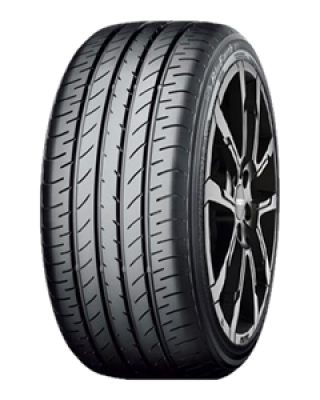
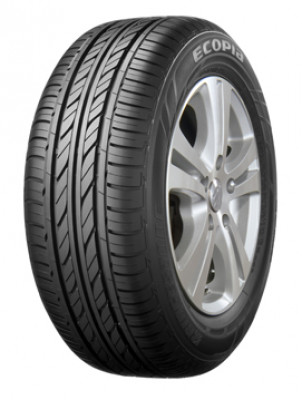
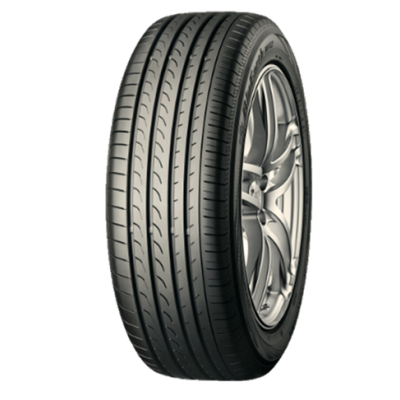
The Yokohama BluEarth RV02 is widely regarded as a high-comfort, stable tire specifically engineered for MPVs and SUVs with higher centers of gravity. While users consistently praise its superior wet-weather grip and noise suppression, long-term satisfaction is somewhat tempered by reports of inconsistent tread longevity and potential material degradation over time.
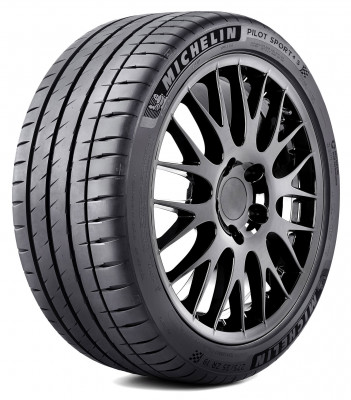
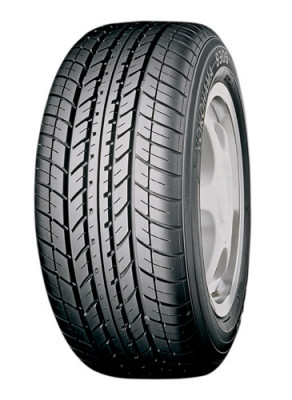
The Yokohama S306 is a polarizing tire that excels in dry conditions and longevity but receives significant criticism for its poor wet-weather performance. While some users appreciate its durability and value, many report a lack of confidence and traction when driving on damp or rainy surfaces.
| Attribute | A · Yokohama BluEarth RV02 | B · Yokohama S306 |
|---|---|---|
| Category | Summer Premium Touring tires | Summer Touring tires |
| Vehicle type | SUV and 4x4 | Passenger Car / Crossover |
Yokohama
Yokohama
Winner: Yokohama S306 — better dry, treadwear and comfort. Pick the Yokohama BluEarth RV02 if wet and handling matter most to you.
Yokohama S306 scores 82 vs 34 on dry.
Yokohama BluEarth RV02 scores 84 vs 59 on wet.
Yokohama BluEarth RV02 scores 80 vs 62 on handling.
Yokohama S306 scores 74 vs 59 on treadwear.
Every category score blends two independent signals. 60% comes from professional tire tests (braking distances, lap times, noise measurements) normalized against the best tire in each test and weighted toward recent tests. 40% comes from thousands of owner reviews collected from retailers and review sites. When a tire has only one of the two, we use what exists and say so.
Community buzz from Reddit and forums is shown for context only — it never changes the score.