Continental Premium Contact 2 review
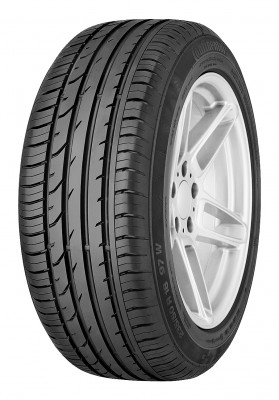
The Continental PremiumContact 2 is widely regarded as a high-performance touring tire that excels in dry and wet grip, offering a communicative and confidence-inspiring driving experience. However, the consensus is heavily polarized by its rapid tread wear, with many users reporting significantly shorter lifespans compared to competitors, leading to concerns regarding overall value for money.
Two scoring systems, side by side
Owner scores come from reviews on retailer and review sites; road-test scores come from instrumented tests. Where they disagree, it is usually a discipline owners rarely push to the limit.
By owner reviews
72%What owners like and dislike
Themes extracted from 200 owner reviews across retailers and review sites.
The Continental PremiumContact 2 is widely regarded as a high-performance touring tire that excels in dry and wet grip, offering a communicative and confidence-inspiring driving experience. However, the consensus is heavily polarized by its rapid tread wear, with many users reporting significantly shorter lifespans compared to competitors, leading to concerns regarding overall value for money.
Pros
- Excellent grip and stability in both dry and wet conditions
- High level of steering feedback and communicative handling
- Strong resistance to aquaplaning
- Quiet and comfortable ride quality when new
Cons
- Rapid and premature tread wear
- Performance degradation as the tire reaches the second half of its tread life
- High price point relative to its longevity
- Increased road noise as the tire ages
Worth knowing
- Users with smaller, lightweight vehicles (e.g., VW Up, Fiat 500) report significantly better longevity and satisfaction than those with heavier sedans or SUVs.
- Drivers of performance-oriented or front-wheel-drive vehicles frequently note rapid shoulder wear and a tendency for the tire to 'let go' abruptly when pushed to the limit.
- Some users noted that specific size variations (e.g., 3-groove vs. 4-groove designs) resulted in noticeable differences in wear rates and handling characteristics.