Hankook Ventus S1 noble2 review
The Hankook Ventus S1 Noble2 is widely regarded as a high-value, comfort-oriented tire that excels in ride quality and noise suppression. While many users praise its dry and wet grip, particularly for daily driving, a significant portion of the user base reports disappointment regarding premature tread wear and poor performance in snow or icy conditions.
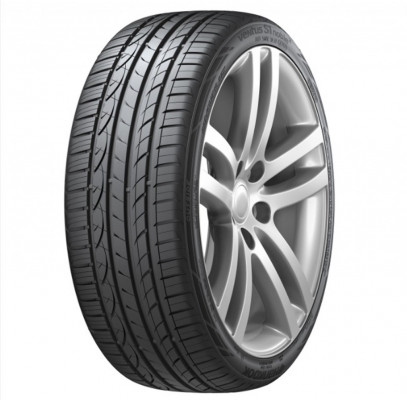
Two scoring systems, side by side
Owner scores come from reviews on retailer and review sites; road-test scores come from instrumented tests. Where they disagree, it is usually a discipline owners rarely push to the limit.
By owner reviews
56.6%What owners like and dislike
Themes extracted from 738 owner reviews across retailers and review sites.
The Hankook Ventus S1 Noble2 is widely regarded as a high-value, comfort-oriented tire that excels in ride quality and noise suppression. While many users praise its dry and wet grip, particularly for daily driving, a significant portion of the user base reports disappointment regarding premature tread wear and poor performance in snow or icy conditions.
Pros
- Exceptional ride comfort and low road noise levels
- Strong dry and wet pavement traction for daily commuting
- High value-for-money proposition compared to premium brands
- Responsive handling and stability on highway surfaces
Cons
- Premature tread wear and short overall lifespan
- Poor traction and lack of confidence in snow and ice
- Soft sidewalls leading to a 'mushy' feel during aggressive cornering
- Susceptibility to sidewall bubbles or damage from road hazards
Worth knowing
- Owners of heavier SUVs and crossovers, such as the Ford Explorer, frequently report the fastest tread wear and issues with rubber peeling.
- Drivers of performance-oriented vehicles (e.g., VW GTI, Subaru STI) often note that the soft sidewalls reduce steering precision compared to dedicated summer tires.
- Users in regions with harsh winters consistently advise against using this tire for snow or ice, noting it performs more like a summer tire in freezing temperatures.