75
/ 100
Objective (60%)
–/100
No test data yet
User signal (40%)
75/100
54 owner reviews
Prices change daily — check the retailer for your size.
Our Relative Score blends 60% objective test data with 40% owner-review signal — so any two tires can be compared even if they were never tested on the same day.
Prices change daily — check the retailer for your size.
Prices change daily — check the retailer for your size.
TireWheelGuide may earn a commission from purchases made via links on this page.
Each bar is the Relative Score for that category. Expand a tile to see the test results and owner ratings behind it.
| Source | ComfortContact CC6 | UltraGrip 6 |
|---|---|---|
| Tyre Reviews owners | 79 | 80 |
| Source | ComfortContact CC6 | UltraGrip 6 |
|---|---|---|
| Tyre Reviews owners | 66 | 95 |
| Source | ComfortContact CC6 | UltraGrip 6 |
|---|---|---|
| Tyre Reviews owners | 89 | 85 |
| Source | ComfortContact CC6 | UltraGrip 6 |
|---|---|---|
| Tyre Reviews owners | 77 | 80 |
| Source | ComfortContact CC6 | UltraGrip 6 |
|---|---|---|
| Tyre Reviews owners | 71 | 100 |
| Category | Continental ComfortContact CC6 | Goodyear UltraGrip 6 |
|---|---|---|
| Relative Score | 75 | 88 |
| Dry | 79 | 80 |
| Wet | 66 | 95 |
| Comfort | 89 | 85 |
| Treadwear | 77 | 80 |
| Handling | 71 | 100 |
Higher is better. The Relative Score follows your weights below; category scores do not change.
Wet grip and treadwear start at “Important” — the two things buyers rank highest. Move the sliders and the scores update instantly.
Tire A
Tire B
Themes extracted from owner reviews across retailers and review sites — not the opinion of TireWheelGuide.
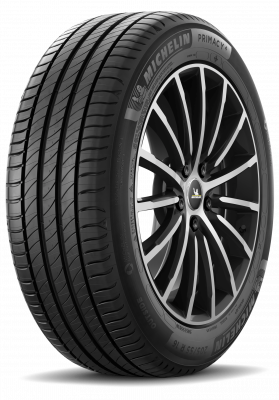
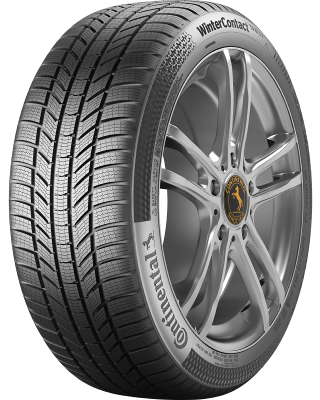
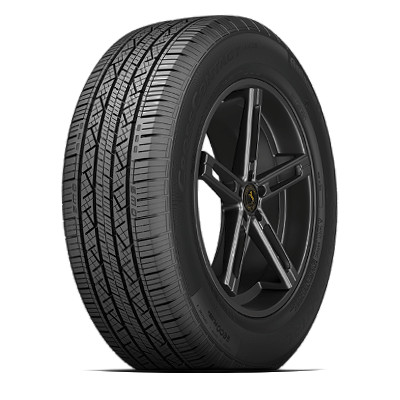
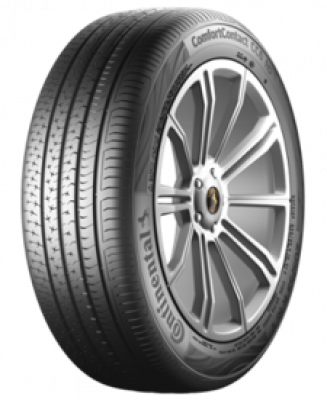
The Continental ComfortContact CC6 is widely regarded as a class-leading tire for noise reduction and ride comfort, effectively absorbing road imperfections and providing a serene cabin experience. While it excels in daily commuting and long-distance cruising, it is frequently criticized for its soft sidewalls and lackluster wet-weather performance, making it unsuitable for aggressive driving styles.
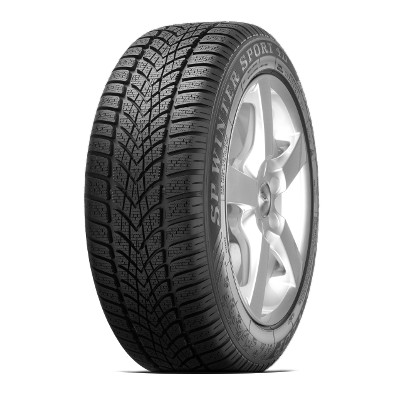
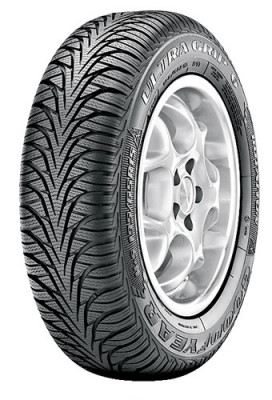
The Goodyear UltraGrip 6 is highly regarded for its exceptional performance in winter conditions, particularly in snow and wet weather. Users consistently praise its reliable handling and progressive braking capabilities, noting that it remains a capable tire despite being an older model in the Goodyear lineup.
| Attribute | A · Continental ComfortContact CC6 | B · Goodyear UltraGrip 6 |
|---|---|---|
| Category | Summer Premium Touring tires | Winter Ultra High Performance tires |
| Vehicle type | Passenger Car / Crossover | Passenger Car / Crossover |
Continental
Goodyear
Winner: Goodyear UltraGrip 6 — better wet, handling and treadwear. Pick the Continental ComfortContact CC6 if comfort matters most to you.
Goodyear UltraGrip 6 scores 95 vs 66 on wet.
Goodyear UltraGrip 6 scores 100 vs 71 on handling.
Continental ComfortContact CC6 scores 89 vs 85 on comfort.
Goodyear UltraGrip 6 scores 80 vs 77 on treadwear.
Every category score blends two independent signals. 60% comes from professional tire tests (braking distances, lap times, noise measurements) normalized against the best tire in each test and weighted toward recent tests. 40% comes from thousands of owner reviews collected from retailers and review sites. When a tire has only one of the two, we use what exists and say so.
Community buzz from Reddit and forums is shown for context only — it never changes the score.