Continental ProContact review
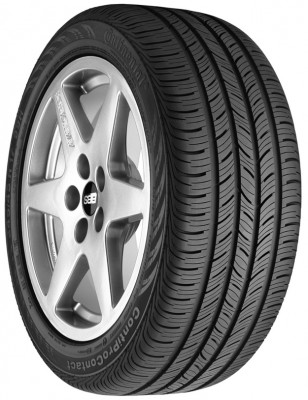
The Continental ProContact series receives a polarized reception, often serving as a polarizing OEM fitment that balances adequate dry-weather performance with significant concerns regarding long-term noise levels and durability. While some drivers appreciate their predictable handling and comfort, a notable portion of users report premature tread wear, excessive road noise, and structural issues such as sidewall bubbles.
Two scoring systems, side by side
Owner scores come from reviews on retailer and review sites; road-test scores come from instrumented tests. Where they disagree, it is usually a discipline owners rarely push to the limit.
By owner reviews
59%What owners like and dislike
Themes extracted from 12 owner reviews across retailers and review sites.
The Continental ProContact series receives a polarized reception, often serving as a polarizing OEM fitment that balances adequate dry-weather performance with significant concerns regarding long-term noise levels and durability. While some drivers appreciate their predictable handling and comfort, a notable portion of users report premature tread wear, excessive road noise, and structural issues such as sidewall bubbles.
Pros
- Predictable and safe handling on dry pavement
- Competent performance in high-heat conditions
- Generally comfortable ride quality for calm, daily driving
- Good initial traction for standard commuting
Cons
- Significant increase in road noise as the tire ages
- Premature tread wear and limited mileage lifespan
- Structural reliability issues, including sidewall bubbles and flat-spotting
- Below-average performance in winter and snow conditions
Worth knowing
- Users with heavier vehicles, such as the Tesla Model Y, report acceptable tread wear given the vehicle's high torque, though winter performance remains a weak point.
- Drivers of compact sedans frequently cite excessive cabin noise and a 'soggy' steering feel, suggesting the tire may not be well-suited for smaller, less-insulated chassis.
- Run-flat variants (SSR) on performance-oriented sedans like the Alfa Romeo Giulia show a tendency for rapid tread depletion.