Michelin Energy EV review
The Michelin Energy EV is generally regarded as a specialized, efficiency-focused tire that offers competent dry and wet grip for small electric vehicles like the Renault Zoe. However, user consensus is heavily marred by reports of premature structural degradation, high susceptibility to punctures, and a disproportionately high price point relative to its longevity.
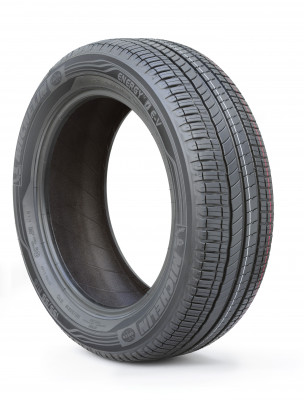
Two scoring systems, side by side
Owner scores come from reviews on retailer and review sites; road-test scores come from instrumented tests. Where they disagree, it is usually a discipline owners rarely push to the limit.
By owner reviews
54%What owners like and dislike
Themes extracted from 5 owner reviews across retailers and review sites.
The Michelin Energy EV is generally regarded as a specialized, efficiency-focused tire that offers competent dry and wet grip for small electric vehicles like the Renault Zoe. However, user consensus is heavily marred by reports of premature structural degradation, high susceptibility to punctures, and a disproportionately high price point relative to its longevity.
Pros
- Commendable grip levels in both dry and wet conditions
- Effective contribution to vehicle range maximization
- Performance comparable to higher-tier performance tires despite eco-focused design
Cons
- High susceptibility to sidewall damage and punctures
- Premature aging, including cracking and block degradation
- Rapid tread wear on front-wheel-drive configurations
- High retail price for a small-diameter tire
Worth knowing
- Users of the Renault Zoe frequently report that the front tires suffer from significantly faster wear and structural issues compared to the rear tires.
- The tire's thin sidewall construction is a recurring point of failure for urban driving environments involving curbs.