Yokohama S.drive review
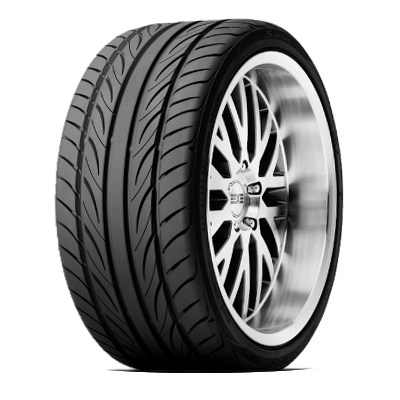
The Yokohama S.Drive is a polarizing high-performance summer tire that excels in dry conditions with predictable, progressive handling and strong cornering grip. While many users praise its longevity and value, a significant portion of the user base reports inconsistent performance in wet weather, ranging from confidence-inspiring to dangerously slippery, alongside complaints regarding road noise and ride harshness.
Two scoring systems, side by side
Owner scores come from reviews on retailer and review sites; road-test scores come from instrumented tests. Where they disagree, it is usually a discipline owners rarely push to the limit.
By owner reviews
73%What owners like and dislike
Themes extracted from 65 owner reviews across retailers and review sites.
The Yokohama S.Drive is a polarizing high-performance summer tire that excels in dry conditions with predictable, progressive handling and strong cornering grip. While many users praise its longevity and value, a significant portion of the user base reports inconsistent performance in wet weather, ranging from confidence-inspiring to dangerously slippery, alongside complaints regarding road noise and ride harshness.
Pros
- Predictable and progressive handling in dry conditions
- Strong dry-weather cornering grip and steering response
- Commendable tread life and durability for a performance-oriented tire
- Good value for money compared to premium competitors
Cons
- Inconsistent and sometimes poor wet-weather traction
- Noticeable road noise, particularly at highway speeds
- Stiff sidewalls leading to a harsh ride quality
- Sensitivity to temperature and pressure, affecting grip levels
Worth knowing
- Users with lightweight, mechanical-steering vehicles (e.g., older hatchbacks) often report improved handling and reduced understeer.
- High-horsepower vehicles (300+ BHP) frequently report that the tire struggles to put power down effectively compared to dedicated ultra-high-performance tires.
- Convertible owners noted that road noise is more pronounced due to the lack of cabin sound insulation.