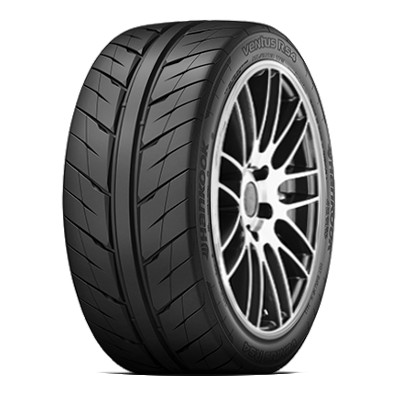
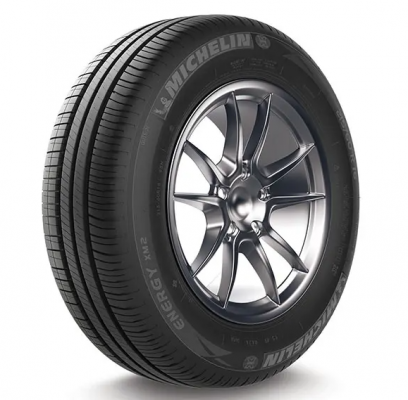
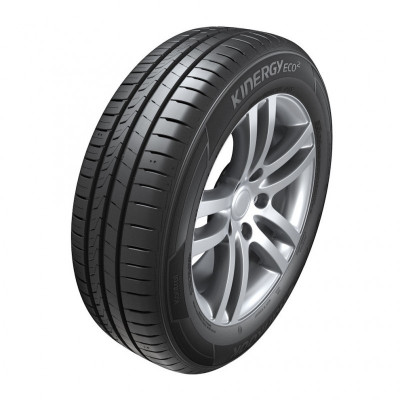
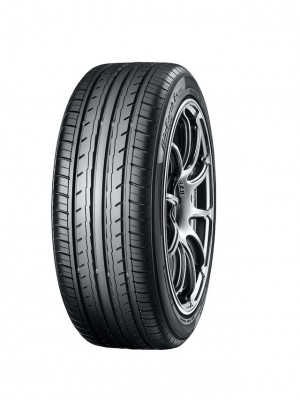
Hankook Ventus R-S4 vs Michelin Energy X2+ — Compared (May 2026)
Our Relative Score blends 60% objective test data with 40% owner-review signal — so any two tires can be compared even if they were never tested on the same day.
TireWheelGuide may earn a commission from purchases made via links on this page.
Category breakdown
5 categories, side by side
Each bar is the Relative Score for that category. Expand a tile to see the test results and owner ratings behind it.
Dry
Weight: Neutral
Score (0–100)Energy X2+ leads by 2
A — Hankook Ventus R-S4
87
B — Michelin Energy X2+
89
Why this score
Source
Ventus R-S4
Energy X2+
Tire Rack owners
91
–
Tyre Reviews owners
87
89
Wet
Weight: Important
Score (0–100)Energy X2+ leads by 15
A — Hankook Ventus R-S4
72
B — Michelin Energy X2+
87
Why this score
Source
Ventus R-S4
Energy X2+
Tire Rack owners
71
–
Tyre Reviews owners
72
87
Comfort
Weight: Neutral
Score (0–100)Energy X2+ leads by 26
A — Hankook Ventus R-S4
61
B — Michelin Energy X2+
87
Why this score
Source
Ventus R-S4
Energy X2+
Tire Rack owners
75
–
Tyre Reviews owners
61
87
Treadwear
Weight: Important
Score (0–100)Energy X2+ leads by 1
A — Hankook Ventus R-S4
86
B — Michelin Energy X2+
87
Why this score
Source
Ventus R-S4
Energy X2+
Tire Rack owners
87
–
Tyre Reviews owners
86
87
Handling
Weight: Neutral
Score (0–100)Energy X2+ leads by 1
A — Hankook Ventus R-S4
88
B — Michelin Energy X2+
89
Why this score
Source
Ventus R-S4
Energy X2+
Tyre Reviews owners
88
89
Scores at a glance
Hankook Ventus R-S4 vs Michelin Energy X2+: scores by category (0–100)
Category
Hankook Ventus R-S4
Michelin Energy X2+
Relative Score
79
88
Dry
87
89
Wet
72
87
Comfort
61
87
Treadwear
86
87
Handling
88
89
Higher is better. The Relative Score follows your weights below; category scores do not change.
Personalize
Weight the categories that matter to you
Wet grip and treadwear start at “Important” — the two things buyers rank highest. Move the sliders and the scores update instantly.
Neutral
NoneLessNeutralMoreMost
Important
NoneLessNeutralMoreMost
Neutral
NoneLessNeutralMoreMost
Important
NoneLessNeutralMoreMost
Neutral
NoneLessNeutralMoreMost
Recomputed
Headline score
79
/ 100
Tire A
88
/ 100
Tire B
From owners
Pros, cons & observations
Themes extracted from owner reviews across retailers and review sites — not the opinion of TireWheelGuide.
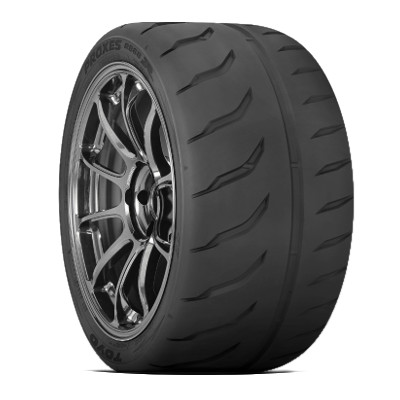
Tire AHankook Ventus R-S4
The Hankook Ventus RS4 is widely regarded as the industry benchmark for endurance-focused extreme performance summer tires. While it may not offer the absolute peak grip of specialized autocross tires, it is highly praised for its exceptional tread life, heat consistency, and value, making it a favorite for HPDE participants and endurance racers.
Pros
Exceptional tread life and durability under heavy track abuse
High value-to-performance ratio compared to more expensive competitors
Consistent dry grip and performance throughout the tire's lifespan
Predictable handling and excellent steering feedback
Strong heat resistance during long track sessions
Cons
Requires significant time and effort to reach optimal operating temperatures
Increased road noise and harsh ride quality compared to standard tires
Reduced traction in cold or wet conditions
Potential fitment issues due to narrow section width relative to nominal size
Observations
Lightweight FWD vehicles report excellent handling characteristics and high confidence with this tire.
Users note that the tire's sidewall width runs narrow, which may leave rims exposed if sized based on standard tire width expectations.
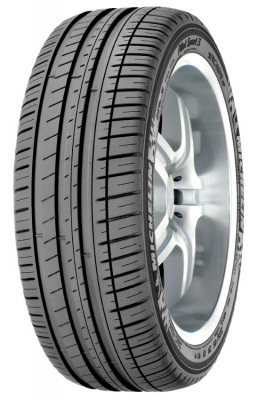
Tire BMichelin Energy X2+
The Michelin Energy XM2+ is widely regarded as a high-performing, durable tire that excels in wet weather conditions and provides a comfortable, quiet ride. Users consistently praise its ability to balance longevity with responsive handling, making it a reliable choice for daily driving across various road surfaces.
Pros
Exceptional wet weather performance and water displacement capabilities
High durability and long tread life due to the hard compound construction
Quiet and comfortable ride quality
Responsive steering and improved handling characteristics
Cons
Slightly firmer ride quality when using lower sidewall profiles
Potential for increased road feedback depending on vehicle suspension setup
Wet grip ratings are occasionally perceived as slightly lower than dry grip performance
Observations
Users transitioning from factory-fitted tires on compact sedans report significant improvements in steering response and high-speed stability.
Drivers of MPVs and SUVs noted that the tire maintains excellent composure and prevents aquaplaning even when driving through deep water at highway speeds.
Specifications
Specs side by side
Attribute
A · Hankook Ventus R-S4
B · Michelin Energy X2+
Category
—
Summer Premium Touring tires
Vehicle type
—
Passenger Car / Crossover
Final verdict
Which one should you actually buy?
79
/ 100
Hankook
88
/ 100
Michelin
Winner: Michelin Energy X2+ — better comfort and wet. It leads or ties in every category we score.
Every category score blends two independent signals. 60% comes from professional tire tests (braking distances, lap times, noise measurements) normalized against the best tire in each test and weighted toward recent tests. 40% comes from thousands of owner reviews collected from retailers and review sites. When a tire has only one of the two, we use what exists and say so.
Community buzz from Reddit and forums is shown for context only — it never changes the score.