Skip to content
Head-to-head Updated September 2026

Goodyear Eagle F1 Asymmetric 5 vs Hankook Ventus V12 evo K110 — Compared (September 2026)

Our Relative Score blends 60% objective test data with 40% owner-review signal — so any two tires can be compared even if they were never tested on the same day.

Tire A Goodyear

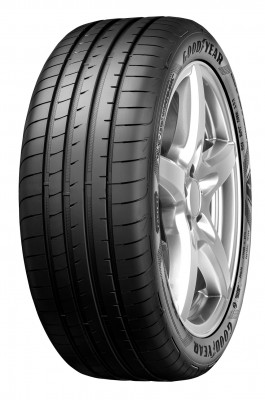
Goodyear Eagle F1 Asymmetric 5

Summer Max Performance tires

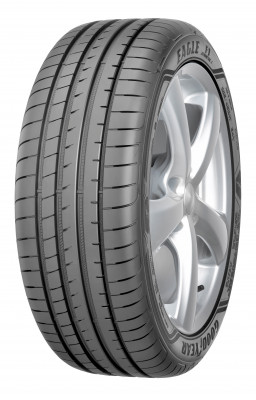
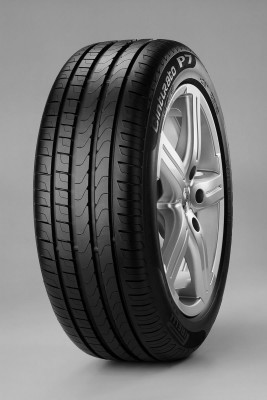
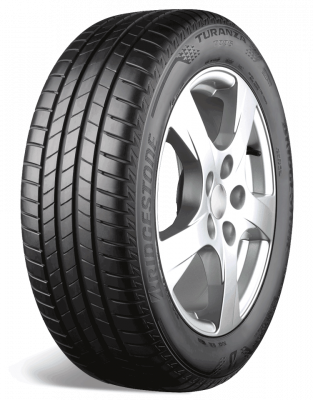
Goodyear Eagle F1 Asymmetric 5 tread pattern
Objective (60%)
94/100
20 professional tests
User signal (40%)
86/100
250 owner reviews
Dry
88
Wet
90
Snow
52
Comfort
82
Noise
72
Treadwear
79
Handling
88

Prices change daily — check the retailer for your size.
VS
Tire B Hankook

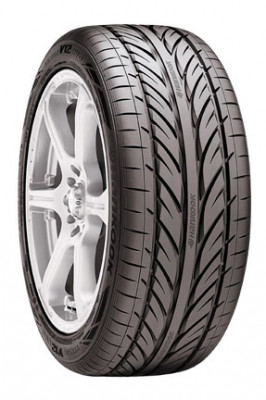
Hankook Ventus V12 evo K110

Summer Ultra High Performance tires

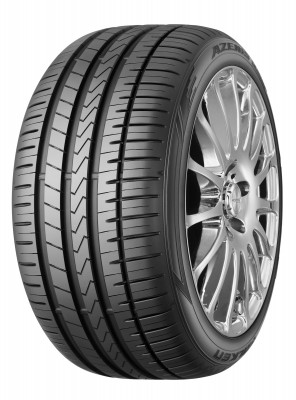
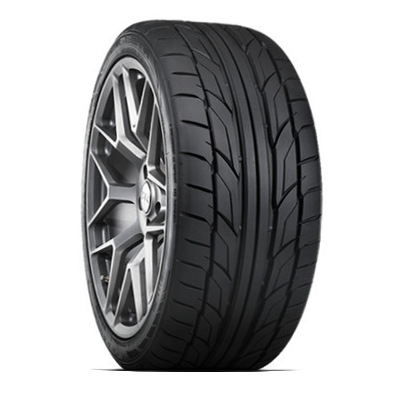
Hankook Ventus V12 evo K110 tread pattern
Objective (60%)
–/100
No test data yet
User signal (40%)
77/100
125 owner reviews
Dry
84
Wet
76
Snow
80
Comfort
79
Noise
80
Treadwear
74
Handling
78

Prices change daily — check the retailer for your size.

VerdictWinner: Goodyear Eagle F1 Asymmetric 5 — better wet, handling and treadwear. Pick the Hankook Ventus V12 evo K110 if snow and noise matter most to you.
Read full

TireWheelGuide may earn a commission from purchases made via links on this page.

Category breakdown

7 categories, side by side

Each bar is the Relative Score for that category. Expand a tile to see the test results and owner ratings behind it.

Dry

Weight: Neutral
Score (0–100) Eagle F1 Asymmetric 5 leads by 4
A — Goodyear Eagle F1 Asymmetric 5
88
B — Hankook Ventus V12 evo K110
84
Why this score
SourceEagle F1 Asymmetric 5Ventus V12 evo K110
Professional tests (TWG score) 85 –
Tyre Reviews owners 93 84

Wet

Weight: Important
Score (0–100) Eagle F1 Asymmetric 5 leads by 14
A — Goodyear Eagle F1 Asymmetric 5
90
B — Hankook Ventus V12 evo K110
76
Why this score
SourceEagle F1 Asymmetric 5Ventus V12 evo K110
Professional tests (TWG score) 89 –
Tyre Reviews owners 90 75

Snow

Weight: Neutral
Score (0–100) Ventus V12 evo K110 leads by 28
A — Goodyear Eagle F1 Asymmetric 5
52
B — Hankook Ventus V12 evo K110
80

Comfort

Weight: Neutral
Score (0–100) Eagle F1 Asymmetric 5 leads by 3
A — Goodyear Eagle F1 Asymmetric 5
82
B — Hankook Ventus V12 evo K110
79
Why this score
SourceEagle F1 Asymmetric 5Ventus V12 evo K110
Professional tests (TWG score) 84 –
Tyre Reviews owners 80 79

Noise

Weight: Neutral
Score (0–100) Ventus V12 evo K110 leads by 8
A — Goodyear Eagle F1 Asymmetric 5
72
B — Hankook Ventus V12 evo K110
80
Why this score
SourceEagle F1 Asymmetric 5Ventus V12 evo K110
Professional tests (TWG score) 72 –

Treadwear

Weight: Important
Score (0–100) Eagle F1 Asymmetric 5 leads by 5
A — Goodyear Eagle F1 Asymmetric 5
79
B — Hankook Ventus V12 evo K110
74
Why this score
SourceEagle F1 Asymmetric 5Ventus V12 evo K110
Tyre Reviews owners 79 74

Handling

Weight: Neutral
Score (0–100) Eagle F1 Asymmetric 5 leads by 10
A — Goodyear Eagle F1 Asymmetric 5
88
B — Hankook Ventus V12 evo K110
78
Why this score
SourceEagle F1 Asymmetric 5Ventus V12 evo K110
Tyre Reviews owners 88 78
DriverReviews owners 88 –

Scores at a glance

Goodyear Eagle F1 Asymmetric 5 vs Hankook Ventus V12 evo K110: scores by category (0–100)
CategoryGoodyear Eagle F1 Asymmetric 5Hankook Ventus V12 evo K110
Relative Score 80 78
Dry 88 84
Wet 90 76
Snow 52 80
Comfort 82 79
Noise 72 80
Treadwear 79 74
Handling 88 78

Higher is better. The Relative Score follows your weights below; category scores do not change.

Personalize

Weight the categories that matter to you

Wet grip and treadwear start at “Important” — the two things buyers rank highest. Move the sliders and the scores update instantly.

Neutral
NoneLessNeutralMoreMost
Important
NoneLessNeutralMoreMost
Neutral
NoneLessNeutralMoreMost
Neutral
NoneLessNeutralMoreMost
Neutral
NoneLessNeutralMoreMost
Important
NoneLessNeutralMoreMost
Neutral
NoneLessNeutralMoreMost
Recomputed
Headline score

Tire A

Tire B

From owners

Pros, cons & observations

Themes extracted from owner reviews across retailers and review sites — not the opinion of TireWheelGuide.

Tire A Goodyear Eagle F1 Asymmetric 5

The Goodyear Eagle F1 Asymmetric 5 is widely regarded as a top-tier, high-performance all-rounder that excels in both wet and dry conditions. Users frequently praise its predictable handling, strong grip, and excellent value compared to more expensive competitors like the Michelin Pilot Sport series. While most owners report high satisfaction, some note concerns regarding road noise and inconsistent tread life depending on driving style and vehicle weight.

Pros

  • Exceptional wet and dry grip
  • Predictable and confidence-inspiring handling at the limit
  • High value-for-money proposition
  • Strong braking performance
  • Good rim protection features

Cons

  • Noticeable road noise on certain surfaces
  • Tread life can be inconsistent, with some users reporting rapid wear
  • Stiffer sidewalls can lead to a harsher ride on rough roads
  • Occasional reports of quality control issues like balancing difficulties

Observations

  • Users transitioning from run-flat tires to the Asymmetric 5 consistently report a massive improvement in ride comfort and steering feel.
  • Drivers of heavier or high-torque vehicles (e.g., 300hp+ sedans) report faster tread wear, though many still praise the tire's ability to manage power delivery.
  • Some users on lower-profile setups (18-20 inch) noted increased road noise and sensitivity to road imperfections compared to smaller, higher-profile configurations.
Tire B Hankook Ventus V12 evo K110

The Hankook Ventus V12 evo k110 is widely regarded as a high-value performance tire that offers excellent dry grip and predictable handling at a competitive price point. While many users praise its comfort and responsiveness, a significant portion of the user base notes that its soft sidewalls can lead to a 'wobbly' or less precise feel during aggressive cornering, and wet-weather performance is frequently described as inconsistent.

Pros

  • Exceptional price-to-performance ratio
  • Strong dry-weather grip and traction
  • Comfortable and relatively quiet ride quality
  • Predictable and progressive handling characteristics
  • Good aesthetic appeal

Cons

  • Soft sidewalls causing instability or 'tread squirm' under load
  • Inconsistent wet-weather performance and aquaplaning susceptibility
  • Rapid or uneven tread wear reported by many users
  • Increased road noise as the tire wears down
  • Potential for vibration issues requiring precise balancing

Observations

  • Users with heavy front-wheel-drive vehicles or high-torque setups often reported faster tread wear and occasional traction loss.
  • Drivers of vehicles with stiff suspension (e.g., sports sedans) frequently noted that the soft sidewalls negatively impacted steering feedback and precision.
  • Some owners of larger, wider tire sizes reported increased 'skittishness' in standing water compared to narrower fitments.
Specifications

Specs side by side

Attribute A · Goodyear Eagle F1 Asymmetric 5 B · Hankook Ventus V12 evo K110
CategorySummer Max Performance tiresSummer Ultra High Performance tires
Vehicle typePassenger Car / CrossoverPassenger Car / Crossover
Sizes available16—
Rim diameters18″ – 21″—
Tread depth7 - 9/32″—
UTQG300 - 500 A - AA A—
SidewallBlack Side Wall - Serrated Black Lettering—
Max pressure50 - 51 psi—
Final verdict

Which one should you actually buy?

Goodyear

Hankook

Winner: Goodyear Eagle F1 Asymmetric 5 — better wet, handling and treadwear. Pick the Hankook Ventus V12 evo K110 if snow and noise matter most to you.

Pick tire B You drive through snowy winters

Hankook Ventus V12 evo K110 scores 80 vs 52 on snow.

Pick tire A Your priority is wet-weather safety

Goodyear Eagle F1 Asymmetric 5 scores 90 vs 76 on wet.

Pick tire A You enjoy sharp, responsive handling

Goodyear Eagle F1 Asymmetric 5 scores 88 vs 78 on handling.

Pick tire B You want a quieter cabin

Hankook Ventus V12 evo K110 scores 80 vs 72 on noise.

Tire A · Goodyear Eagle F1 Asymmetric 5
Tire B · Hankook Ventus V12 evo K110

How do we compare tires?

Every category score blends two independent signals. 60% comes from professional tire tests (braking distances, lap times, noise measurements) normalized against the best tire in each test and weighted toward recent tests. 40% comes from thousands of owner reviews collected from retailers and review sites. When a tire has only one of the two, we use what exists and say so.

Community buzz from Reddit and forums is shown for context only — it never changes the score.