BFGoodrich g-Force Profiler review
The BFGoodrich g-Force series, particularly the Rival S 1.5, is widely regarded as a top-tier, competition-focused 200-treadwear tire that excels in autocross and track environments. While users praise its exceptional dry grip, rapid warm-up, and predictable handling, it is generally considered a specialized tool that requires heat to perform optimally and can be noisy or uncomfortable for daily street use.
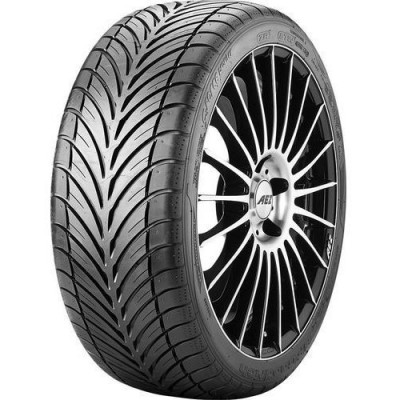
Two scoring systems, side by side
Owner scores come from reviews on retailer and review sites; road-test scores come from instrumented tests. Where they disagree, it is usually a discipline owners rarely push to the limit.
By owner reviews
82.6%What owners like and dislike
Themes extracted from 90 owner reviews across retailers and review sites.
The BFGoodrich g-Force series, particularly the Rival S 1.5, is widely regarded as a top-tier, competition-focused 200-treadwear tire that excels in autocross and track environments. While users praise its exceptional dry grip, rapid warm-up, and predictable handling, it is generally considered a specialized tool that requires heat to perform optimally and can be noisy or uncomfortable for daily street use.
Pros
- Exceptional dry traction and cornering grip
- Rapid warm-up time, ideal for autocross
- Predictable handling and driver feedback at the limit
- Competitive tread life compared to other extreme performance tires
- Available in a wide range of sizes, including large fitments for high-performance vehicles
Cons
- Poor performance and safety in wet or cold conditions
- High noise levels during street driving
- Tendency to 'grease up' or lose grip during extended track sessions if overheated
- Stiff ride quality that sacrifices comfort for performance
Worth knowing
- Users with heavy vehicles (e.g., 3800 lbs+) report good performance but note the tires can get greasy during long sprint sessions.
- Miata and other lightweight sports car owners frequently cite these as a benchmark for autocross, noting they are significantly more durable than competing tires like the Bridgestone RE-71R.
- Staggered fitments are often used to balance handling characteristics, particularly on rear-wheel-drive platforms to prevent oversteer.